
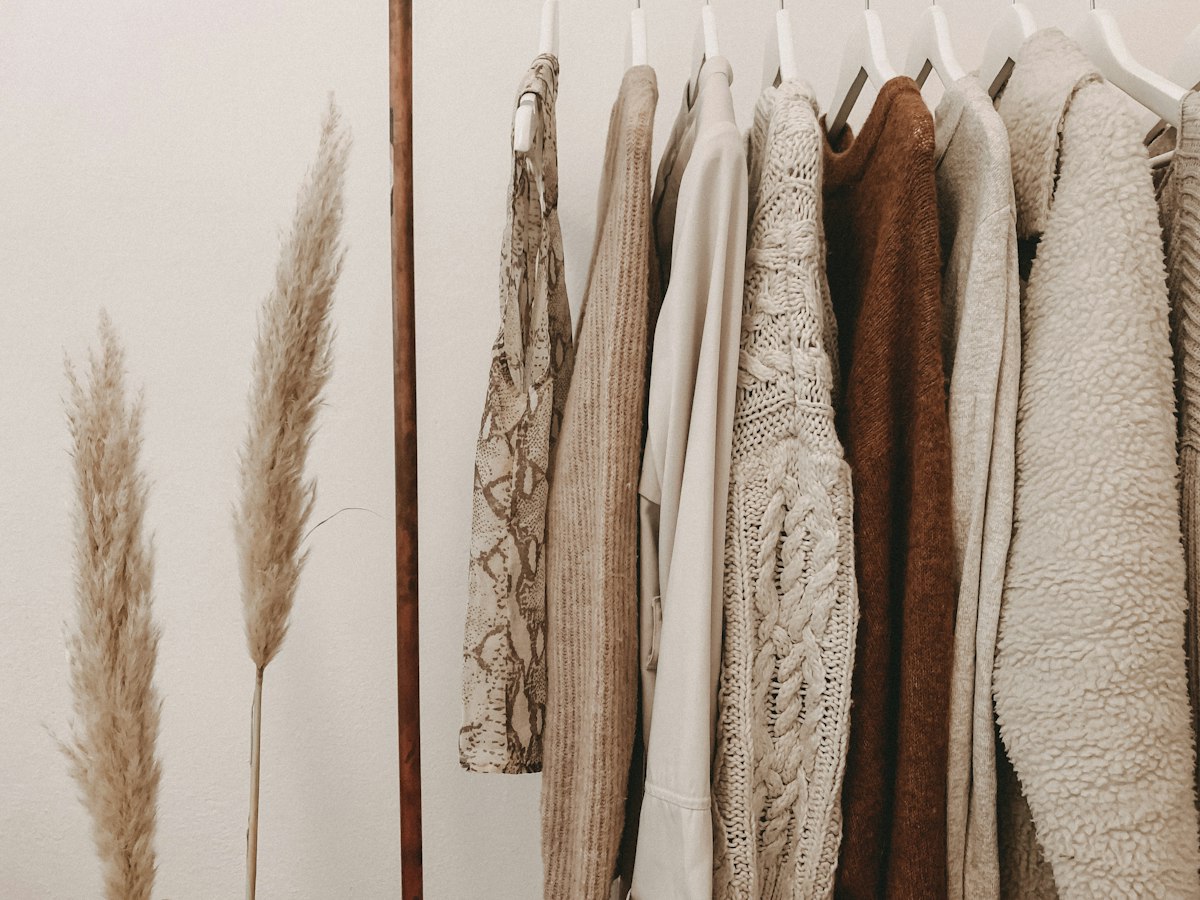
Pattern mixing is the single most powerful — and most misunderstood — skill in fashion. Done right, it transforms an ordinary outfit into an unforgettable style statement. Done wrong, it looks like a laundry accident. This guide will change how you think about prints forever — turning what felt like chaos into pure creative confidence.
Whether you are a complete beginner who has never dared to wear two patterns at once, or a seasoned fashionista looking to sharpen your instincts, this comprehensive guide covers everything: the core rules, the smartest exceptions, seasonal strategies, body-type advice, global style influences, accessory tips, and the exact pattern combinations that stylists swear by in 2024.
Pattern mixing — also called print mixing, pattern coordination, or print clashing — is the art of wearing two or more distinct prints in a single outfit in a way that feels cohesive, intentional, and visually exciting. Think stripes with florals. Plaid with leopard. Geometric with paisley. It sounds daring, but the right framework makes it completely achievable at any style level.
Why Pattern Mixing Is the Ultimate Style Skill
Solid colors are safe. Neutrals are reliable. But patterns? Patterns are alive. They carry energy, personality, and cultural history in every thread. From the bold kente cloth prints of West Africa to the delicate ikat patterns of Central Asia, from the graphic Breton stripes of Normandy to the romantic Liberty florals of London — every pattern tells a story. When you mix them with intention, you are not just getting dressed. You are composing a visual narrative.
Fashion editors, stylists, and designers know that pattern mixing is the fastest shortcut to a truly personal, editorial-level aesthetic. It is what separates someone who wears clothes from someone who uses clothes as creative expression. And the best part? The core principles are learnable. This guide gives you exactly that framework.
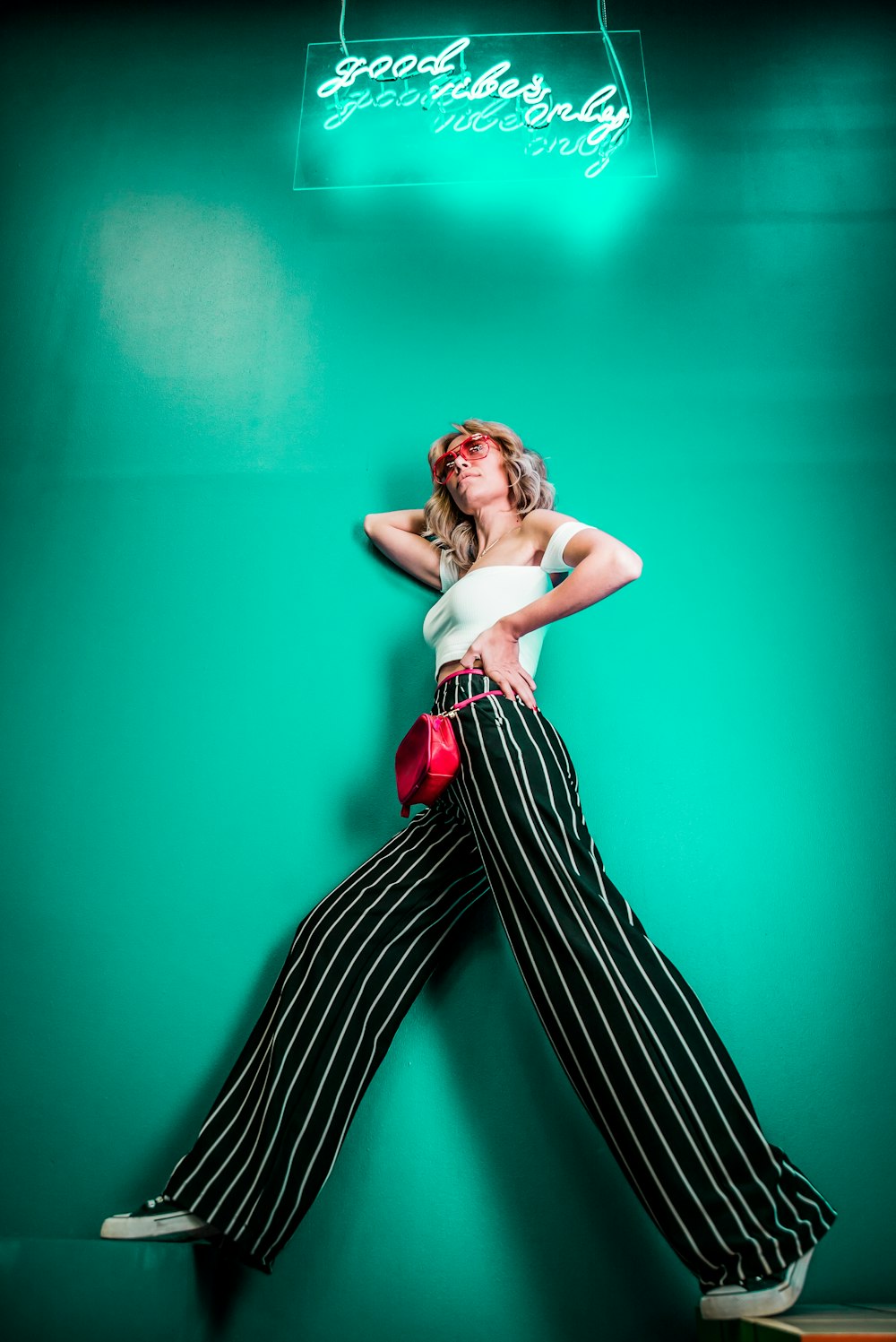
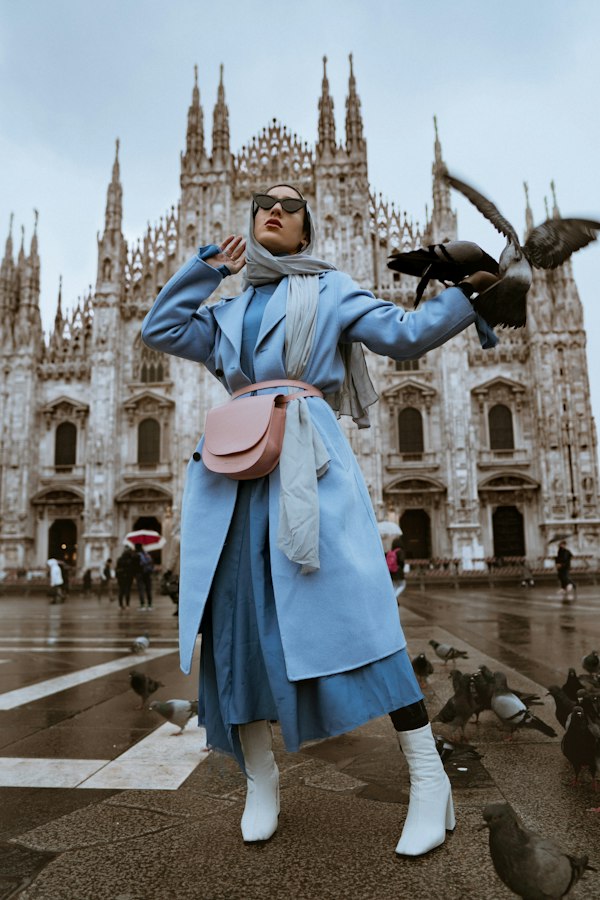
Street style at its finest — bold pattern mixing in action. Photo: Unsplash
The term "pattern clash" used to be a fashion crime. Today it is a compliment. The entire aesthetic shift happened because stylists stopped following rules and started following principles. This guide teaches you those principles, not just the rules.
The Psychology Behind Pattern Mixing
Research in fashion psychology shows that wearing bold, intentional patterns increases perceived confidence and social expressiveness. People who mix patterns are consistently rated as more creative, adventurous, and approachable in first-impression studies. Patterns engage the visual cortex in ways that solid colors do not — they create energy and draw the eye, making you more memorable in any room.
Understanding why certain patterns work together also helps you trust your instincts. When two patterns share a color, the eye naturally connects them. When two patterns differ dramatically in scale, they create visual rhythm rather than noise. These are not arbitrary fashion rules — they mirror principles used in graphic design, interior decoration, and even music composition.
The 5 Golden Rules of Pattern Mixing
Before exploring specific combinations, internalize these five core principles. Every expert pattern mixer — consciously or not — follows them.
Vary the Scale
Always mix a large-scale pattern with a small-scale pattern. A bold, oversized floral paired with a tiny micro-stripe creates visual balance — the eye has a place to rest and a place to explore. Mixing two large patterns of the same scale creates visual competition and feels chaotic. Mixing two identically-sized small patterns blurs into visual noise. Different scales create hierarchy. Think: big floral blouse + thin pinstripe trousers. Oversized plaid blazer + delicate ditsy print dress. Wide gingham shirt + tiny houndstooth scarf.
Connect Through Color
The single most powerful unifying tool in pattern mixing is shared color. If your striped shirt has even a thread of the same red in your floral skirt, the eye accepts the combination as intentional. You do not need an exact match — a tone or shade from the same color family is enough. This is why professional stylists always start with a color palette, not a pattern selection. Extract two or three colors from your anchor piece, then look for a secondary pattern that contains at least one of those exact colors.
Mix Pattern Families Strategically
Some pattern types are natural partners; others require more skill to blend. Organic patterns (florals, leaves, abstract) mix well with geometric patterns (stripes, checks, dots) because they provide visual contrast without competing. Two geometric patterns can work if scale and color differ dramatically. Two organic patterns require careful color matching to avoid appearing muddled. A reliable formula: one organic + one geometric, united by color.
Anchor With a Neutral
When combining two bold patterns, always give the eye a neutral zone to rest. This could be plain trousers, a solid belt, bare skin, a minimal shoe, or a clean bag. The neutral acts as a visual buffer — it separates the two prints and lets each one breathe without the entire look becoming overwhelming. Neutrals are not boring — in a pattern-heavy outfit, they are the hero.
Control the Mood With Pattern Type
Every pattern carries an emotional register. Florals feel romantic. Stripes feel crisp and nautical or sporty. Animal prints feel bold and primal. Geometric prints feel modern and intellectual. Paisley feels bohemian and artistic. When mixing, consider whether the patterns you are combining share a mood — or whether the contrast in mood is intentional. Mixing a romantic floral with a tough leopard print creates deliberate tension. Mixing a nautical stripe with a crisp check feels effortlessly preppy. Know the story each pattern tells.
Anatomy of Patterns: Know What You Are Working With
To mix patterns confidently, you need to recognize each pattern family at a glance and understand its characteristics. Here is your definitive reference guide:
Geometric Patterns

Stripes
The most versatile of all patterns. Horizontal stripes emphasize width; vertical stripes elongate. Breton stripes (navy/white) are classic nautical. Bold color-block stripes are modern. Thin pinstripes are tailored and formal. Stripes mix beautifully with almost any other pattern when scale and color are considered.
Checks & Plaid
Gingham, tartan, windowpane, and madras all fall here. Checks are structured and grounding — they work as both an anchor pattern and a secondary. Small gingham reads almost like a texture; oversized plaid reads as bold and fashion-forward. Tartan has deep cultural roots in Scottish heritage fashion.
Houndstooth & Geometric
Houndstooth is one of fashion's most classic and prestigious patterns — simultaneously bold and refined. Small-scale houndstooth is a near-neutral; oversized houndstooth is a statement. Geometric prints (diamonds, triangles, hexagons) lean modern and architectural.
Dots & Polka Dots
Dots are uniquely versatile — they exist between geometric and organic. Tiny dots read almost like a solid from a distance; large dots are graphic and retro-chic. They pair brilliantly with stripes (sharing a playful, retro mood) and can soften structured checks when used as accessories.
Organic & Nature-Inspired Patterns

Organic patterns bring life and energy to any outfit. Photo: Unsplash
- Florals: The most popular pattern globally. Ranges from delicate ditsy prints to oversized tropical botanicals. Romantic, feminine, but increasingly gender-neutral in modern fashion. Small florals mix like textures; large florals dominate and should be paired with simple geometric companions.
- Animal Prints: Leopard, cheetah, zebra, snake, giraffe. In fashion terms, these function as neutrals — particularly leopard, which stylists treat as a foundation piece. Animal prints add immediate confidence and edge. They pair surprisingly well with soft floral when colors align.
- Paisley: The tear-drop motif with Persian and Indian origins. Paisley is intrinsically bohemian and artistic. It mixes beautifully with earthy florals, ethnic-inspired prints, and even structured stripes in the same tonal family.
- Tropical & Botanical: Large-scale leaves, palms, ferns, and jungle prints. These bold organic prints anchor vacation and resort dressing. They pair well with simple woven textures and solid companions.
- Abstract & Watercolor: Painterly prints, tie-dye, shibori, and digital art-inspired patterns. These are fluid and expressive. They mix surprisingly well with structured geometric patterns, with the geometry acting as a grounding counterpoint to the fluidity.
Heritage & Global Patterns
Some of the world's most celebrated patterns come from specific cultural textile traditions. Understanding their origins deepens appreciation and helps you mix them with respect and intention:
- Kente: West African woven cloth with bright geometric blocks and symbolic meaning. Mix with solid complementary colors or simple stripes.
- Shibori & Ikat: Japanese and Central Asian resist-dyeing techniques producing abstract, flowing patterns. Beautiful with both Eastern and Western pairings.
- Block Print: Traditional Indian hand-stamped cotton prints with repetitive florals and geometric motifs. Pairs naturally with simple linen textures and earthy complementary solids.
- Ankara / Dutch Wax: Bold, graphic African wax-print fabric with high-contrast geometric and organic motifs. Best mixed with solid neutrals or simple stripes that echo one color from the print.
- Tartan: Scottish plaid with clan symbolism. Structurally a complex check. Best mixed with simple complementary stripes, solid turtlenecks, or minimalist accessories.
30 Winning Pattern Combinations to Try Right Now
Here are the most reliable, tested, and stylist-approved pattern mixing formulas organized by pattern family. Each combination includes why it works and the one thing to watch for.
Stripes + Other Patterns
| Combination | Why It Works | Scale Tip | Mood |
|---|---|---|---|
| Stripes + Floral | Geometric meets organic; classic contrast pairing | Wide stripe + small ditsy floral | Romantic-casual |
| Stripes + Leopard | Both share linear directionality; leopard acts as neutral | Thin stripe + medium leopard | Bold & edgy |
| Stripes + Plaid | Both geometric; differ in complexity | Bold stripe + small windowpane check | Preppy & tailored |
| Stripes + Paisley | Sharp lines vs flowing curves — beautiful tension | Narrow stripe + medium paisley | Bohemian chic |
| Stripes + Dots | Both retro, both playful; natural mood alignment | Bold stripe + small polka dot | Playful & retro |
| Stripes + Abstract | Structure vs fluidity; high-fashion editorial feel | Classic Breton + large watercolor print | Artistic & modern |
Florals + Other Patterns
| Combination | Why It Works | Scale Tip | Mood |
|---|---|---|---|
| Floral + Gingham | Country-garden aesthetic; both carry cottagecore energy | Large floral + micro gingham | Cottagecore & sweet |
| Floral + Leopard | Wild and romantic — unexpected but works when colors match | Small floral + medium leopard | Fierce & feminine |
| Floral + Stripe | The most popular beginner mix; reliably beautiful | Large bloom + thin stripe | Fresh & feminine |
| Floral + Houndstooth | Soft meets structured; high fashion contrast | Medium floral + small houndstooth | Sophisticated & sharp |
| Floral + Paisley | Two organic patterns — works when tones are close | Large floral + small paisley in same tones | Boho luxe |
| Floral + Geometric | Nature meets architecture; modern editorial statement | Loose floral + bold triangle/diamond print | Contemporary & artistic |

Left: floral + stripe — the classic beginner combo. Right: plaid + animal print — bold and intentional. Photos: Unsplash
Animal Print + Other Patterns
- Leopard + Stripe: The most iconic animal-print pairing. Leopard as trousers or bag; vertical stripe as shirt. Keep colors in the same warm palette (black, cream, camel, brown).
- Zebra + Geometric: Both bold and graphic. Zebra's black-and-white palette makes it easy to mix with any monochromatic geometric. Avoid busy colors — keep it high-contrast and minimal.
- Snake + Floral: Surprisingly romantic combination. Snake print in warm tones (tan, brown) with dusty rose or terracotta floral. Earthy, editorial, and organic-feeling.
- Leopard + Plaid: The bold stylist's choice. Keep one piece large-scale and the other small. Let the overlapping colors (often camel, brown, black) be the connecting thread.
- Giraffe + Paisley: Both organic and flowing. Choose a color bridge — tan or cream — and both prints harmonize naturally.
Plaid & Check + Other Patterns
- Plaid + Stripe: Two geometric patterns. Keep the scale dramatically different — oversized plaid blazer over a thin-striped shirt is a menswear-inspired power move.
- Gingham + Floral: Quintessential cottage-garden combination. Gingham grounds the romantic energy of florals. Micro gingham almost disappears into texture.
- Tartan + Houndstooth: Both heritage British patterns. Mix boldly — tartan scarf over houndstooth coat. Keep to a two-color palette across both.
- Windowpane Check + Abstract Print: The check provides structure; the abstract print provides movement. This pairing feels elevated and directional.
Color Strategies That Make Pattern Mixing Work Every Time
Color is the invisible glue in every successful pattern mix. Master these five color strategies and you will never put together a clashing outfit again.
Strategy 1: The Tonal Mix
Stay within one color family — varying only the shade and value — but use different patterns in that family. Example: dusty rose floral top + blush stripe skirt + nude sandals. The tonal harmony overrides any visual tension between the patterns. This is the safest and most elegant approach for formal occasions and workwear settings.
Strategy 2: The Color Echo
Choose two different patterns where one color appears in both. A navy floral dress with a yellow stripe cardigan works if there is yellow in the floral — the eye follows the color echo and reads the combination as coordinated. This is the most practical beginner technique and works with virtually any two patterns.
When mixing patterns, limit your outfit to a maximum of three distinct colors across all pieces. More than three colors introduces color competition that even perfect scale variation cannot resolve.
Strategy 3: The Complementary Contrast
Use patterns in complementary colors (opposite on the color wheel) — blue + orange, purple + yellow, red + green — for maximum visual impact. This is the boldest approach and works best in fashion-forward contexts. Keep the patterns themselves relatively simple (classic stripe, basic check) when using bold complementary colors to prevent overwhelming the eye.
Strategy 4: The Neutral Anchor
Ground your pattern mix in neutrals. Black-based patterns (black stripe + black leopard) are inherently harmonious because the shared neutral unifies them. Similarly, white-based patterns (white gingham + white floral) feel clean and coordinated. This is why navy, black, white, cream, and camel are the most forgiving base colors in pattern mixing.
Strategy 5: The Unexpected Pop
Use one bright, unexpected color as a connecting thread. A bag, belt, or shoe in a vibrant color that appears in both of your patterns ties the look together dramatically. This advanced technique is what gives street style looks that "I planned this perfectly" quality — even when the individual patterns seem wild.

Left: tonal mix — safe, elegant, sophisticated. Right: complementary contrast — bold, electric, unforgettable. Photos: Unsplash
Pattern Mixing by Occasion: From Office to Black Tie
Not every pattern combination works in every context. Here is your occasion guide — helping you calibrate the boldness and formality of your pattern mix to the situation.
Workwear
Micro patterns + tonal mixing + neutral anchors. Think pinstripe + micro-gingham in navy-cream.
Casual
Any combination. Floral + stripe, leopard + check — this is where you experiment freely.
Cocktail
Luxe fabrics + refined scale. Silk floral + velvet geometric in jewel tones.
Vacation
Go bold. Tropical prints + stripes + beach accessories. More is more on holiday.
Pattern Mixing for the Workplace
Workplace pattern mixing demands restraint. The goal is to appear creative and polished — not avant-garde. The most reliable strategy: one statement print + one quiet companion. A bold floral blouse tucked into plain trousers feels confident. The same floral blouse with plaid trousers might work beautifully — but requires a truly minimal shoe, belt, and bag to stay professional.
Safe professional pattern combinations include:
Pattern Mixing for Casual & Everyday
Casual dressing is your laboratory. This is where you build your pattern-mixing muscle without consequences. Try things that feel slightly too bold. Wear the combination you laid out on your bed but were not sure about. Experiment with three patterns at once (yes — you can; see the advanced section below). Your daily life is the practice ground for every special occasion outfit you will ever wear.
Pattern Mixing for Evenings & Events
Evening pattern mixing pivots on fabric and scale. Rich fabrics — silk, velvet, brocade, satin — elevate any pattern combination instantly. A silk animal-print midi skirt with a velvet geometric top in matching jewel tones is unquestionably evening-appropriate. The key is luxe texture over bold color. Darker, richer color palettes (burgundy, forest green, navy, black) also make evening pattern mixing feel sophisticated rather than loud.
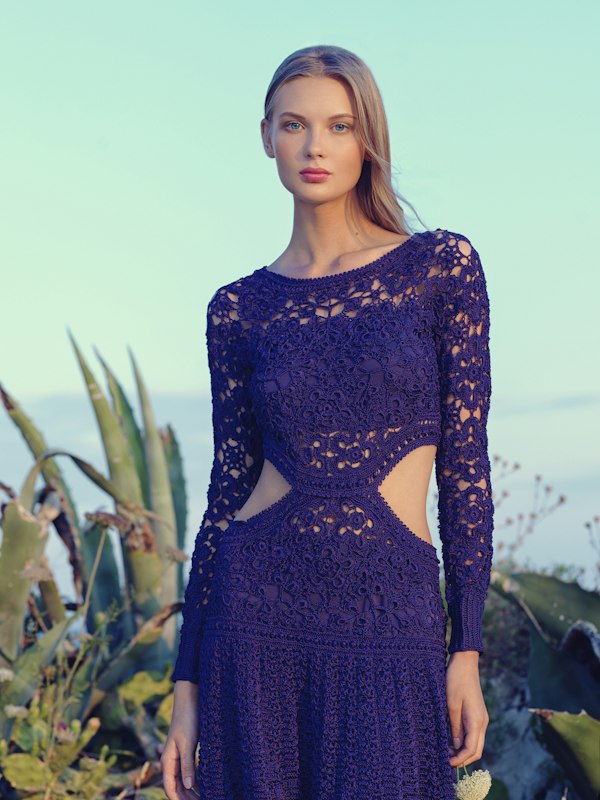
Evening pattern mixing: rich fabrics and jewel tones create instant sophistication. Photo: Unsplash
Pattern Mixing for Every Body Type
Pattern scale and placement interact with the eye in powerful ways that affect how the body reads in an outfit. Here is how to use pattern mixing intentionally for different body types — not to hide anything, but to highlight what you love and create the proportions you want.
How to Create Vertical Length
Vertical stripes are your best friend. Pair a long vertical stripe top with small-print bottoms (keeping the bold pattern on top draws the eye upward). Monochromatic pattern mixing — two patterns in the same color family from head to toe — creates an unbroken vertical line that reads as height.
How to Create Width and Curves
Horizontal stripes and large-scale patterns create the illusion of volume and curves. Bold florals across the chest, wide stripes on the hip, and large-scale geometric prints on the areas you want to emphasize all work with the eye's tendency to be drawn toward larger, busier visual areas.
How to Balance Proportions
Place the larger, bolder pattern on the body part you want to emphasize. Place the smaller, quieter pattern on the body part you want to minimize. A bold floral top + micro stripe trouser draws the eye upward; the reverse draws it down. Use this rule deliberately and your pattern mixing becomes highly intentional styling rather than guesswork.
The most flattering pattern mixing trick: bold pattern on top, small quiet pattern on the bottom, with the ankle and shoe in a color that picks up from the top print. This creates a visual loop that makes the whole figure look proportionate and intentional.
Seasonal Pattern Mixing Guide
Each season has its own palette, texture, and print vocabulary. Here is how to mix patterns in harmony with the season you are dressing for:
Spring Pattern Mixing
Spring is the season of florals, pastel color palettes, and light fabrics. Mix small ditsy florals with soft gingham for an effortless cottage-garden feel. Combine pastel stripe with watercolor floral for a dreamy, romantic effect. Use fresh white as your neutral anchor. Spring is also the season to experiment with mixed prints in lighter weights — cotton, voile, linen — which drape softly and reduce the visual heaviness of bold pattern combinations.
Summer Pattern Mixing
Summer demands bold, saturated colors and large-scale prints. This is the season for tropical botanical print + bold stripe, bright geometric + floral, and the most adventurous three-print combinations. On vacation, lean into maximalism — the bright light and relaxed context support it. Use natural textures (linen, raffia, cotton) which provide visual rest between bold prints.


Spring pastels and gingham (left) vs summer bold tropicals (right) — same rules, different energy. Photos: Unsplash
Autumn Pattern Mixing
Autumn is the richest season for pattern mixing. The palette shifts to warm earth tones — rust, burnt orange, ochre, forest green, burgundy, camel — and all these colors are naturally harmonious, making multiple-pattern combinations effortless. Mix plaid with leopard. Combine houndstooth with floral in rust tones. Layer a tartan scarf over a striped turtleneck. Heavy wools, tweeds, and knits add textural variety that complements the visual richness of autumnal patterns.
Winter Pattern Mixing
Winter pattern mixing is about layering and contrast. Dark backgrounds (black, navy, charcoal) make patterns pop with extraordinary clarity. Mix black-and-white geometric with bold leopard. Combine navy plaid with cream stripe. Introduce rich accessories in jewel tones — emerald, sapphire, ruby — that pick up colors from your pattern layers. The cold-weather wardrobe — coats, scarves, gloves, hats — gives you multiple surfaces on which to play with pattern simultaneously.
Advanced Techniques: Mixing Three or More Patterns
Once you have mastered two-pattern mixing, the natural next step is three. Yes, three patterns in one outfit. It sounds like chaos — and in untrained hands, it is. But with these advanced principles, triple-pattern mixing becomes the most creative and distinctive style statement you can make.
The Three-Pattern Rule
When mixing three patterns, you need a clear visual hierarchy. Pattern 1 is the anchor — the largest, most dominant print, usually on your largest garment piece (dress, coat, or wide-leg trouser). Pattern 2 is the companion — a smaller-scale print in the same color family, on a secondary piece. Pattern 3 is the accent — the smallest-scale pattern, almost textural in appearance, visible only in detail (a scarf, bag, or shoe).
Color Discipline With Three Patterns
With three patterns, rigid color discipline is non-negotiable. Limit yourself to a strict two-color palette plus a neutral across all three pieces. Every pattern must contain at least one of the two chosen colors. This constraint sounds limiting but actually produces the most striking, cohesive triple-pattern looks — because the color harmony makes the multiple patterns feel curated rather than accidental.
Example: Large navy floral dress (anchor) + thin white-and-navy stripe cardigan (companion) + tiny navy dot bag (accent). The strict navy-white palette across three patterns reads as deeply intentional, editorial, and cohesive.
Pattern Mixing With Accessories
Accessories are the safest entry point for adding a third pattern. A patterned scarf, printed bag, or textured shoe introduces the third print with minimal risk because their small surface area limits the visual impact. Use accessories to:
- Echo a color: A leopard-print bag picks up the warm browns in your plaid coat-and-stripe-shirt combination, completing the palette.
- Add texture variation: A woven or embroidered scarf introduces a tactile pattern that differs entirely from printed fabric patterns — creating richness without competition.
- Ground the look: A striped shoe when both top and bottom are bold prints gives the eye a structured landing point.
- Create punctuation: A patterned headband, belt, or sunglasses case in a small repeat adds the third pattern as a deliberate, controlled note of punctuation in an otherwise two-print look.
Pattern Mixing Across Gender Identities and Global Style
Pattern mixing is not gendered. Fashion's most exciting direction in 2024 is the complete dissolution of gendered pattern ownership — and the richest pattern-mixing traditions globally have always existed far outside Western binary fashion norms.
Pattern Mixing in Menswear
Classic menswear pattern mixing dates back to the British Tattersall and Glencheck traditions of the 19th century — layering multiple structured checks was a mark of a refined gentleman's wardrobe. Contemporary menswear explores this legacy boldly: the plaid suit + check shirt + dot tie combination is a menswear icon. The Breton stripe + houndstooth blazer is a contemporary Parisian classic. The oversized floral shirt + bold stripe short is summer street style gold.
African Fashion's Pattern Mastery
West African fashion traditions — particularly Ghanaian, Nigerian, and Senegalese dressing — have practiced confident, celebratory multi-pattern mixing for centuries. Ankara fabrics, kente cloth, and adire textiles are inherently bold, and layering them with complementary prints is culturally sophisticated, not experimental. These traditions offer some of the world's most advanced and beautiful models for fearless pattern mixing.
South Asian Pattern Richness
Indian, Pakistani, and Bangladeshi textile traditions — block print, ikat, bandhani, brocade, kalamkari — are global benchmarks for pattern diversity. The art of combining these in a single ensemble (dupatta over salwar kameez in complementary prints, for example) is a centuries-old practice. These traditions demonstrate that mixing organic and geometric patterns in rich, saturated color palettes is not just possible — it is an art form.

Global fashion celebrates pattern mixing in every tradition. Photo: Unsplash
Pattern Mixing Do's and Don'ts: The Complete Cheatsheet
✅ Do
- Vary scale dramatically between patterns
- Connect patterns through shared color
- Anchor bold prints with a neutral piece
- Mix geometric + organic for contrast
- Use leopard as a neutral when needed
- Try patterns in one color family first
- Use accessories to add a third pattern
- Lay your outfit flat before wearing it
- Trust your instincts — and try it anyway
- Limit to 3 colors across all patterns
❌ Don't
- Mix two patterns of identical scale
- Use more than 4 distinct colors in one look
- Combine two large-scale busy prints
- Mix two organic prints without color bridge
- Forget to consider mood alignment
- Use pattern on pattern on pattern on accessories with no neutral anywhere
- Think pattern mixing only works on bold people
- Wear clashing color temperatures (warm + cool) without careful color work
- Abandon an interesting combination just because it is not in a guide
- Forget that fabric texture is a pattern too
How to Build a Pattern-Mixing Wardrobe From Scratch
Great pattern mixing starts before you get dressed — it starts when you shop. Here is a strategic approach to building a wardrobe that makes pattern mixing effortless every morning.
Step 1: Establish Your Anchor Pieces
Your anchor pieces are bold, large-scale statement prints that will form the foundation of your mixed outfits. Aim for three to five anchor pieces — one or two florals, one striped piece, one geometric or abstract piece. These should be your favorite prints in colors you genuinely love wearing. They become the basis around which everything else is built.
Step 2: Collect Companion Prints
Companion prints are smaller-scale, less visually dominant patterns that partner with your anchor pieces. Classic companions include: thin stripes, micro gingham, tiny dots, delicate ditsy prints, subtle houndstooth, and tone-on-tone jacquards. Collect these in the same color families as your anchor pieces.
Step 3: Invest in Statement Neutrals
Statement neutrals are pattern pieces that function as neutrals: classic leopard, black-and-white graphic stripes, monochromatic houndstooth. These are patterns that coordinate with almost anything and give you incredible versatility. A classic leopard flat will mix with literally every outfit in your wardrobe.
Step 4: The Color Palette Discipline
Before buying any new patterned piece, hold it next to your existing anchor pieces mentally or physically. Does it share at least one color? Does the scale differ? Does the mood align or create interesting tension? A beautifully patterned piece that does not connect to anything else in your wardrobe is a wasted purchase — no matter how stunning it is on its own.


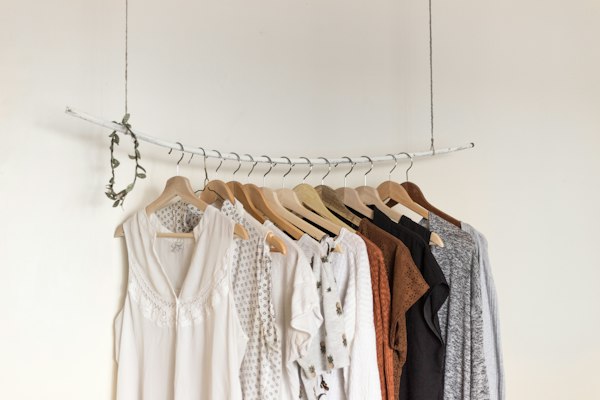
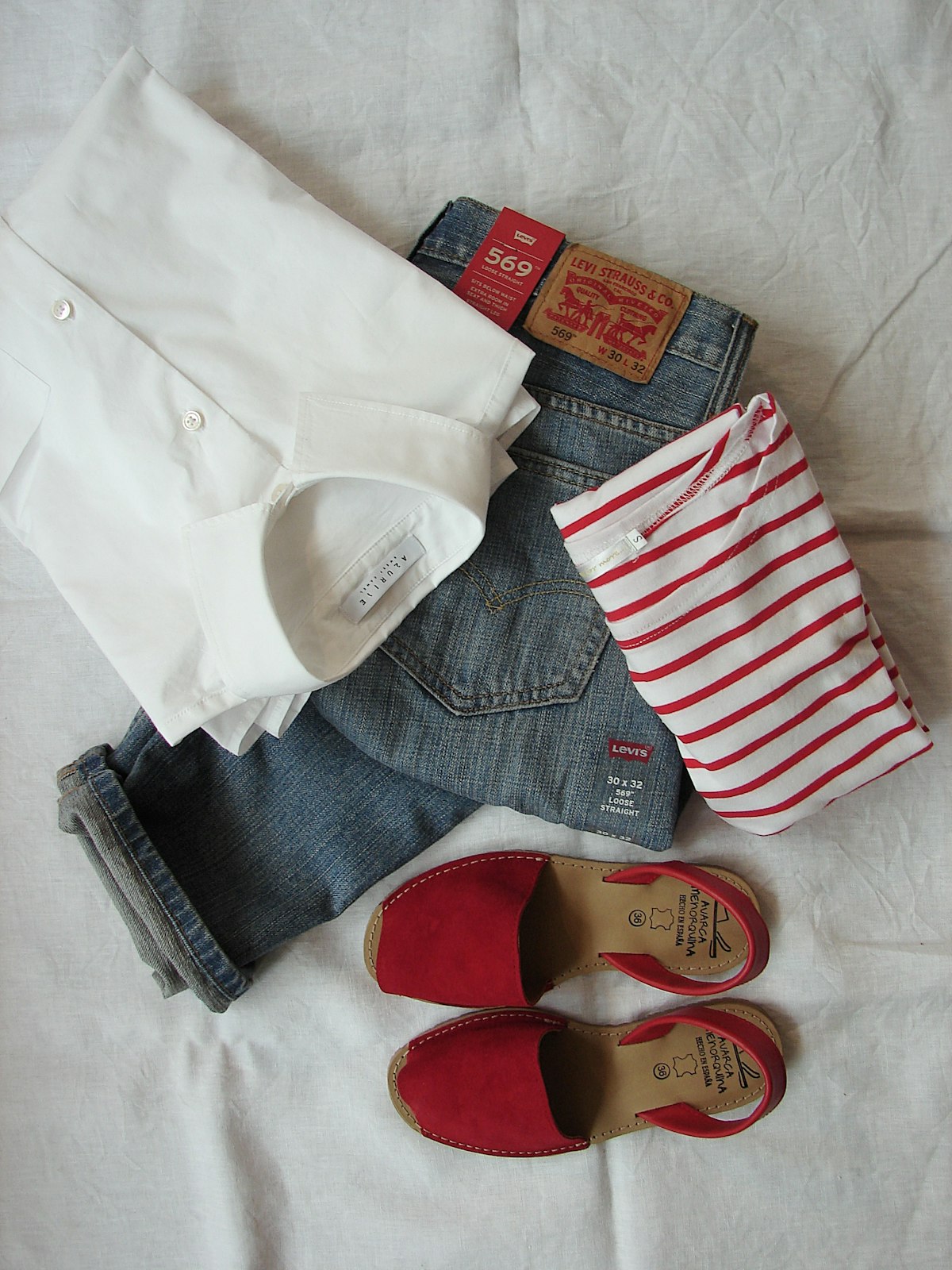
A curated pattern-mixing wardrobe — and the art of the outfit flatlay. Photos: Unsplash
Texture as Pattern: The Hidden Dimension of Pattern Mixing
Here is the secret that separates truly expert pattern mixers from everyone else: texture is a pattern. Cable knit has rhythm. Tweed has visual complexity. Woven raffia has regularity. Velvet has direction. When you understand texture as a visual pattern, a whole new dimension of outfit composition opens up.
Mixing a printed fabric with a textured plain fabric is a form of pattern mixing — and often the most sophisticated form. A solid camel bouclé blazer paired with a bold floral silk blouse creates print-and-texture contrast that feels luxurious and editorial. A ribbed knit sweater with a printed midi skirt uses the rib's visual rhythm as a companion pattern to the print below.
Textile Textures That Function as Patterns
- Cable knit: The interlocking cable creates strong visual rhythm — a geometric pattern in 3D. Pairs beautifully with bold flat prints.
- Tweed: Multicolored flecks create a subtle multi-toned pattern that absorbs and reflects multiple colors. Mix with prints containing those same fleck colors.
- Sequin: A field of sequins creates repetitive geometric light-pattern. It effectively functions as a metallic geometric print.
- Broderie anglaise / Eyelet: Punched-out floral or geometric holes create negative-space patterning. These can be layered over colored prints for a sophisticated depth effect.
- Jacquard weave: Tone-on-tone woven patterns are the most subtle form of print mixing — using the same color in different textures creates quiet luxury.
"Fashion is the armor to survive the reality of everyday life."
— Bill Cunningham, Street Style PioneerLearning From Style Icons: How the Masters Mix Patterns
Some of history's most influential style figures built their entire aesthetic around fearless pattern mixing. Studying them reveals the instinctive intelligence behind their choices — and gives you real-world models to learn from.
The Maximalist Approach
Maximalist pattern mixing — the more-is-more philosophy — is rooted in the belief that fashion is celebration. Multiple bold prints layered together create visual abundance and joy. The key in maximalist mixing is always color: rigid palette discipline is what prevents visual chaos, even when every surface is covered in print. A maximalist look in all one color family (say, all terracotta, rust, and gold-toned prints of different scales) feels completely intentional and breathtakingly rich.
The Minimalist Take
Minimalist pattern mixing uses restraint to create maximum impact. One perfectly chosen print against a sea of solids. A single patterned scarf that contains every color in an otherwise monochromatic look. The confidence to let one bold print speak alone, surrounded by careful silence. This approach requires the most discernment — every pattern choice is magnified precisely because it is isolated.
The Street Style Philosophy
Street style pattern mixing is the most democratic and experimental of all approaches. It borrows from everywhere — vintage finds, cultural textiles, sportswear, high fashion — and combines them with zero concern for "matching." It is governed entirely by instinct, mood, and creative joy. The best street style pattern mixes feel genuinely personal and specific to the individual wearing them.
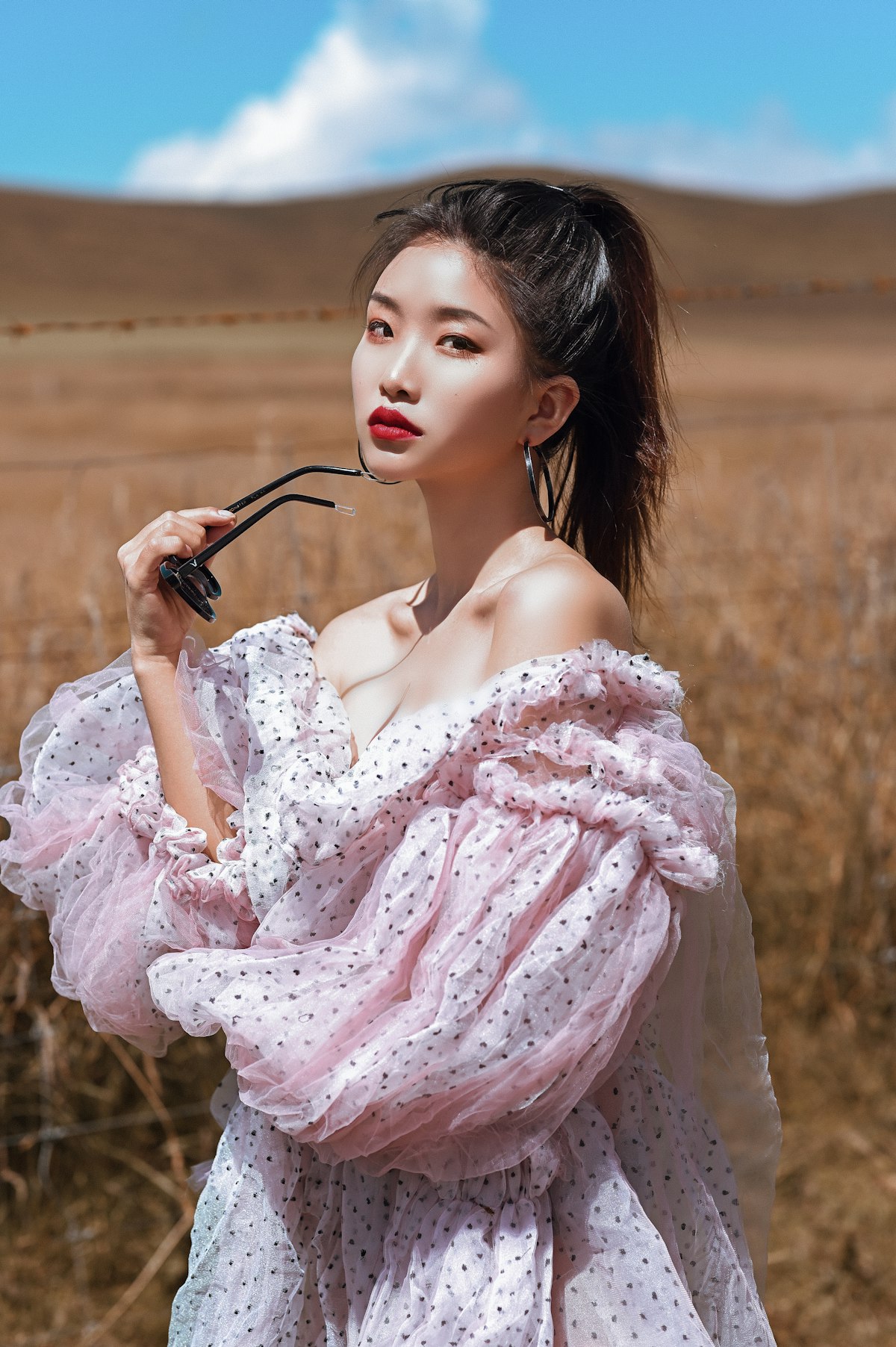
Street style is the world's most honest pattern-mixing classroom. Photo: Unsplash
Pattern Mixing for Cultural Celebrations and Special Events
Many of the world's most joyful and significant occasions call explicitly for pattern-rich dressing. Knowing how to mix patterns for these events — with cultural awareness and sartorial confidence — elevates your participation in these celebrations.
Weddings
Wedding guest dressing is one of the best opportunities for elevated pattern mixing. A floral midi dress (anchor) with a woven jacquard jacket (texture companion) and a small geometric clutch (accent) creates a look that is simultaneously festive, polished, and memorably personal. Avoid all-over black unless specified — opt for rich jewel tones and floral-forward prints for daytime celebrations, deeper geometric and abstract patterns for evening.
Cultural and Religious Festivals
Many of the world's most vibrant festivals — from Diwali to Carnival to Chinese New Year celebrations — celebrate sartorial abundance. Pattern mixing for these occasions should be bold, celebratory, and culturally aware. When wearing prints from specific cultural traditions outside your own heritage, understand the significance of the patterns and honor them through thoughtful, respectful styling.
Holiday Dressing
Holiday pattern mixing — particularly around the winter holiday season — has its own beloved vocabulary: fair isle, tartan, houndstooth, and seasonal prints. Mixing a fair isle jumper with a tartan kilt or a houndstooth blazer with a reindeer-print scarf falls within a rich festive tradition. Use these seasonal patterns as your foundation, then layer contemporary companions (a sleek geometric print bag, a fine-stripe blouse) for a modern update on classic holiday style.
The 10 Most Common Pattern Mixing Mistakes (And How to Fix Them)
- Identical scale combinations: Two equally-sized patterns always compete. Fix: swap one for a dramatically smaller or larger scale of the same print family.
- Too many unrelated colors: Three patterns, four different color families — visual chaos. Fix: limit the palette to two colors plus a neutral.
- Ignoring mood alignment: A delicate botanical with a grunge-printed graphic tee — mood mismatch creates incoherence. Fix: check that both patterns share (or intentionally contrast) emotional register.
- No neutral anchor: Every surface covered in bold print — the eye has nowhere to rest. Fix: add one plain piece — a solid shoe, belt, bag, or inner layer.
- Forgetting footwear: A beautifully mixed print outfit undone by a busy patterned shoe that adds a third unrelated print. Fix: in a two-pattern outfit, keep the shoe plain or use it as the deliberate third accent.
- Over-accessorizing with patterns: Patterned bag + patterned scarf + patterned shoes + two-print outfit = overload. Fix: choose one patterned accessory maximum when wearing two or more printed garments.
- Mixing clashing color temperatures: Warm-toned prints (orange-red floral) with cool-toned prints (blue-toned geometric) fight unless there is a clear bridging neutral. Fix: identify the color temperature of each print and bridge them with a warm-neutral or cool-neutral accordingly.
- Two loud hero pieces: When both top and bottom are bold, oversized prints at the same visual intensity, neither can lead. Fix: designate one as the hero (larger scale, higher contrast) and one as the supporting piece (smaller scale, quieter color).
- Forgetting body proportion awareness: Placing the largest, boldest print on the body part you want to minimize inadvertently draws the eye there. Fix: place bold prints where you want attention; quiet prints where you want the eye to move past.
- Abandoning the combination before trying it on: Combinations that look wild on the hanger often look extraordinary on the body. Fix: always put the outfit on and look in a full-length mirror before deciding. The body changes everything.
Caring for Your Pattern Pieces: Keeping Prints Vivid
One final dimension that many style guides overlook: bold patterns depend on vivid, clear color to make their impact. A faded leopard print is a sad leopard print. Keeping your patterns looking sharp requires some care knowledge.
Washing Printed Fabrics
Printed fabrics — particularly screen-printed and digital-printed cottons and linens — are vulnerable to fading through repeated washing in hot water or harsh detergent. Always wash printed garments in cold water on a gentle cycle. Turn printed garments inside out before washing to protect the print surface from friction. Use a gentle, color-preserving detergent. Avoid the tumble dryer — air dry flat or on a hanger where possible.
Storing Pattern Pieces
Store folded knitwear with bold patterns away from direct light, which fades dyes over time. Hang printed silk and satin garments on padded hangers in a covered wardrobe. Keep bold printed wool coats and blazers in breathable garment bags during the off-season. Never store printed garments in plastic — this traps moisture and can cause dye transfer.
Frequently Asked Questions About Pattern Mixing
Q: Can I mix three patterns in one outfit?
Yes — absolutely. The key is hierarchy (anchor + companion + accent), strict color discipline (maximum two colors plus a neutral across all three), and dramatically varying the scale of each pattern. When these three conditions are met, a three-pattern outfit reads as intentional and sophisticated.
Q: Is leopard print considered a neutral in pattern mixing?
In fashion styling, yes — classic leopard print (in warm tan, brown, and black tones) is consistently treated as a neutral pattern that coordinates with almost any other print. This is because its color palette (warm neutrals) and scale (medium, non-directional) allow it to sit comfortably alongside bolder, more colorful prints without competing.
Q: What is the easiest two-pattern combination for beginners?
The easiest beginner combination is stripes + floral. Choose a thin or medium stripe and a small-to-medium floral in the same color family. Breton navy stripe + navy-tinged small floral is virtually foolproof. The geometric-plus-organic formula and the shared navy color make this combination work every time.
Q: How do I know if two patterns clash badly or look intentional?
The primary test is color: if both patterns share at least one color, the combination almost always reads as intentional. The secondary test is scale: if the scales differ dramatically, the combination creates visual rhythm rather than competition. If both patterns share NO colors AND are the same scale, they are likely to clash. Step back and look at the full outfit from two meters — if your eye bounces pleasurably between the patterns, it works. If it hurts to look at it, revisit the color or scale relationship.
Q: Can pattern mixing work in formal or professional settings?
Yes — professional pattern mixing is a sophisticated skill. The keys are: keep pattern scales small (micro patterns or fine stripes), use tonal or muted color palettes rather than bold contrasting colors, ensure the overall outfit reads as neat and structured rather than playful, and limit pattern to two pieces maximum with a strong neutral anchor. A pinstripe suit with a micro-check shirt is impeccably professional and understated.
Q: What are the best low-competition wardrobe keywords to search for pattern-mixing pieces?
Search terms with lower competition that surface great results include: "mixed print co-ord set," "pattern clash blouse," "print mixing dress," "mixed motif trouser," "botanical print mix and match," "color echo patterned separates," and "scale varied printed top." These terms are used by buyers and stylists and tend to surface more specifically curated, editorial pieces than broad category searches.
Q: How do I mix patterns without spending money on new pieces?
The best pattern mixing laboratory is your existing wardrobe. Lay everything out and experiment with combinations you have never tried. The classic "take everything out and start from scratch" wardrobe audit often reveals powerful pattern pairings hiding in plain sight. Look for shared colors between pieces you never thought to pair. You will almost certainly find several brilliant combinations you have overlooked.
Keywords & Tags:
Ready to Mix Patterns Like a Pro?
Explore more fashion guides, style tips, and outfit inspiration on DigitalKsHub — your global destination for creative, fearless style.
Explore More Style Guides ✦


0 Comments