

Photo: Unsplash.com — Unsplash
Building a healthier life doesn't require an overnight overhaul. Research consistently shows that small, consistent daily habits compound into dramatic long-term improvements in physical fitness, mental clarity, emotional resilience, and longevity. This expert guide outlines 10 evidence-backed daily habits for a healthier life — practical, globally applicable, and designed for every lifestyle.
Why Daily Habits Are the Foundation of Lasting Health
Your daily routine is the single greatest determinant of your long-term health outcomes — more than genetics, access to healthcare, or sporadic periods of intense effort. Habits automate behaviors that otherwise require willpower, allowing beneficial actions to become effortless over time. The science of habit formation, as detailed in research from University College London and Charles Duhigg's work on habit loops, shows that consistent repetition rewires neural pathways, making healthy behaviors the path of least resistance.
Whether you live in Tokyo, Toronto, Lagos, or Lisbon, the principles of healthy daily habits for beginners and seasoned wellness practitioners alike remain remarkably consistent. What varies is context — your schedule, culture, and environment shape how you apply these habits, not whether they work.
Habits are not acts of willpower — they are architecture. Design your environment and daily structure to make healthy choices the default, not the exception.
The 10 Evidence-Based Daily Habits for a Healthier Life
Hydrate First Thing — Start Your Day with Water
Drinking 400–600ml of water within 15 minutes of waking is one of the simplest and most impactful healthy morning habits you can adopt. Overnight, the body loses water through respiration and perspiration. Rehydrating immediately kickstarts metabolism, flushes toxins, and activates the digestive system.
Why it works: A 2016 study published in the Journal of Human Nutrition and Dietetics found that increasing daily water intake was associated with reduced calorie intake and improved satiety. Even mild dehydration (1–2% of body weight) impairs cognitive performance by up to 13%.
| Body Weight | Minimum Daily Water (Liters) | Optimal Range |
|---|---|---|
| 50–60 kg (110–132 lbs) | 1.7 L | 1.7–2.1 L |
| 60–75 kg (132–165 lbs) | 2.1 L | 2.1–2.6 L |
| 75–90 kg (165–198 lbs) | 2.5 L | 2.5–3.0 L |
| 90+ kg (198+ lbs) | 3.0 L | 3.0–3.5 L |
Note: Increase by 500ml for every 30 minutes of exercise or in high-heat climates.
Move Your Body — Daily Physical Activity Habits
Physical movement is the single most studied intervention for improving both physical and mental health. The World Health Organization recommends a minimum of 150 minutes of moderate-intensity aerobic activity per week — equivalent to just 22 minutes per day. For those building habits to improve health, even a brisk 20-minute walk delivers measurable benefits: reduced cardiovascular risk, improved mood via endorphin release, and better insulin sensitivity.
You don't need a gym membership. Bodyweight exercises at home, cycling to work, dancing, swimming, or gardening all count. The key is consistency over intensity, especially for beginners building a sustainable daily wellness routine.
Pair your exercise habit with an existing routine (called "habit stacking"). Walk after breakfast, stretch after brushing your teeth, or take the stairs every time you leave your home.

Photo: Unsplash.com — Unsplash
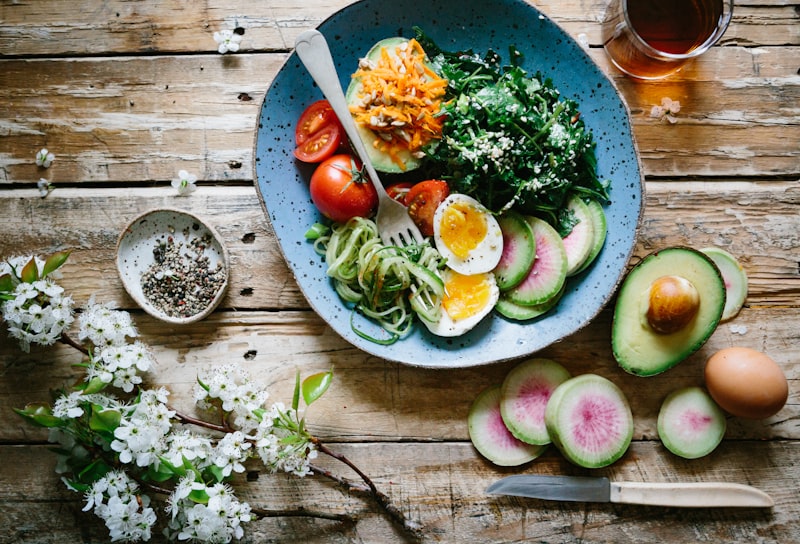
Photo: Unsplash.com — Unsplash
Eat a Nutrient-Dense Breakfast — Fuel Your Brain and Body
A nutritious breakfast containing protein, complex carbohydrates, and healthy fats sets the metabolic tone for the entire day. It stabilizes blood sugar, reduces mid-morning cortisol spikes, and improves attention and working memory — particularly relevant in professional and academic environments worldwide.
Optimal breakfast components:
| Nutrient Category | Examples | Key Benefit |
|---|---|---|
| Protein | Eggs, Greek yogurt, legumes, tofu | Satiety, muscle maintenance |
| Complex Carbs | Oats, wholegrain bread, sweet potato | Sustained energy, gut health |
| Healthy Fats | Avocado, nuts, olive oil, seeds | Brain function, inflammation control |
| Micronutrients | Berries, spinach, citrus fruits | Immune support, antioxidant defense |
Practice Mindfulness or Meditation — A Core Mental Health Habit
Daily mindfulness meditation — even just 10 minutes — is among the most robustly evidence-backed habits for mental and physical health. A landmark meta-analysis in JAMA Internal Medicine (2014) reviewed 47 randomized clinical trials and found that mindfulness programs significantly improved anxiety, depression, and pain. Regular practice reduces cortisol (the primary stress hormone), improves executive function, and strengthens emotional regulation.
Apps like Headspace, Insight Timer, and Calm provide guided sessions in dozens of languages, making this habit globally accessible. Alternatively, structured deep breathing (4-7-8 technique or box breathing) offers similar cortisol-lowering benefits without any technology.
Prioritize Quality Sleep — The Master Health Habit
Sleep is not a passive state — it is when the body performs its most critical maintenance: cellular repair, memory consolidation, immune regulation, and hormonal balance. Adults require 7–9 hours of quality sleep per night according to the WHO and the American Academy of Sleep Medicine. Chronic sleep deprivation (under 6 hours) is associated with a 48% increased risk of coronary heart disease and impairs the prefrontal cortex — the region governing decision-making and impulse control.
Sleeping fewer than 6 hours per night regularly is classified by researchers as a public health epidemic. It is directly linked to increased risk of obesity, Type 2 diabetes, cardiovascular disease, and all-cause mortality. Prioritize sleep as a non-negotiable health investment.
Clinically proven sleep hygiene practices:
-
A
Consistent Sleep ScheduleGo to bed and wake at the same time daily, including weekends. This anchors your circadian rhythm.
-
B
Screen-Free Wind-DownEliminate screens (phones, tablets, laptops) 60 minutes before bed. Blue light suppresses melatonin production.
-
C
Cool, Dark RoomOptimal sleep temperature is 16–19°C (60–67°F). Blackout curtains and white noise machines aid deep sleep.
-
D
Limit Caffeine After 2 PMCaffeine has a half-life of 5–7 hours. An afternoon coffee remains partially active at midnight.
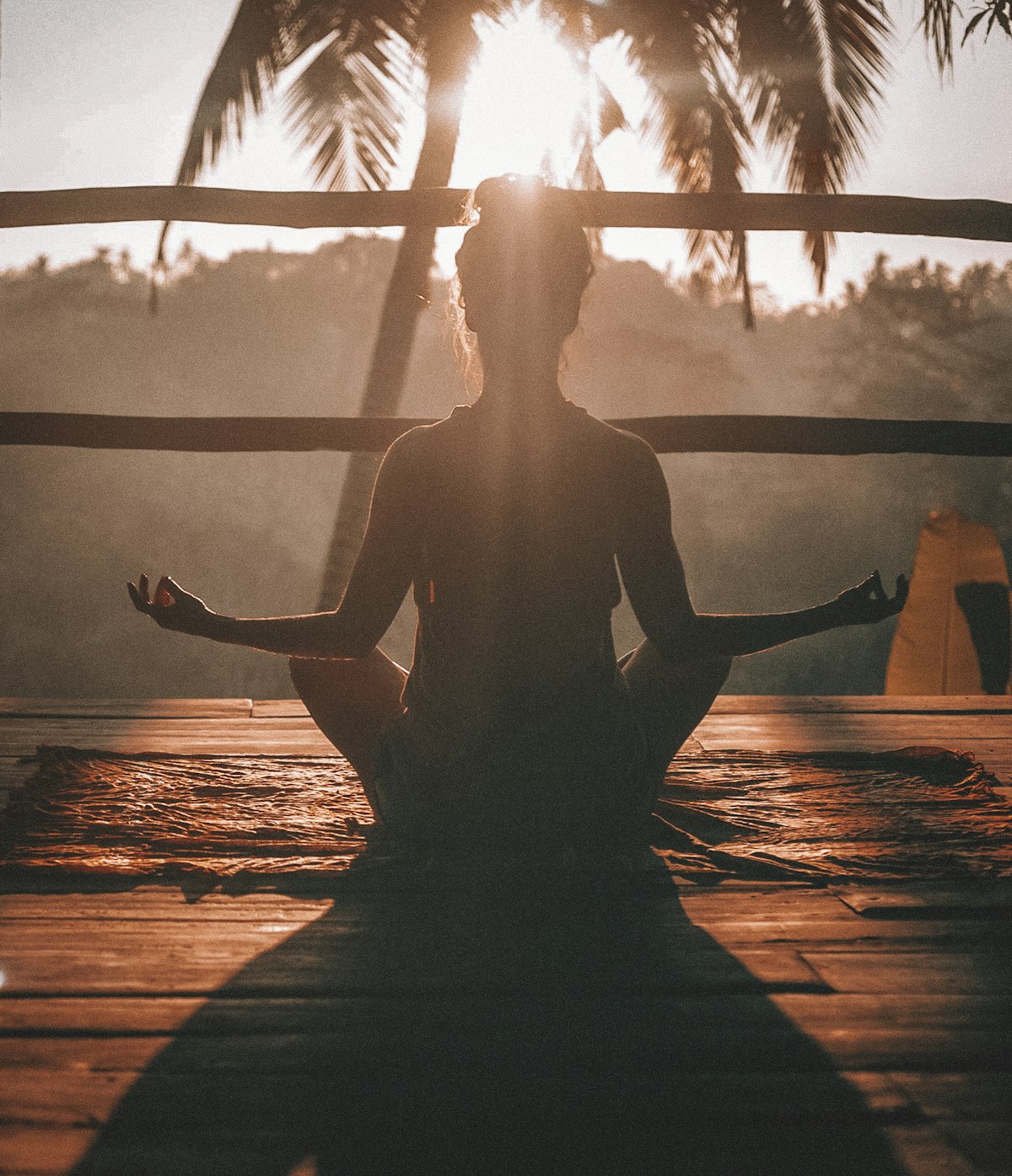
Photo: Unsplash.com — Unsplash
Limit Processed Foods and Added Sugar
Ultra-processed foods — defined as industrial formulations with five or more ingredients, especially additives, preservatives, and refined sugars — now account for 57% of caloric intake in high-income countries (Hall et al., 2019). They are engineered to override satiety signals, promote overconsumption, and trigger chronic low-grade inflammation. The NOVA classification system (developed by the University of São Paulo) is the leading global framework for identifying ultra-processed foods.
Reducing ultra-processed food intake by even 10% is associated with a 14% lower risk of developing Type 2 diabetes, according to a 2023 BMJ study. Practical strategy: shop the perimeter of supermarkets (fresh produce, proteins, dairy), read ingredient lists with fewer than five items, and cook at least two meals per day from whole ingredients.
Spend Time Outdoors — Nature Exposure and Sunlight
Exposure to natural light and outdoor environments delivers measurable physiological benefits that cannot be replicated indoors. Morning sunlight (within 30 minutes of waking) sets the circadian clock, boosts serotonin levels, and regulates melatonin production for better nighttime sleep. "Forest bathing" (Shinrin-yoku), a practice developed in Japan and now studied globally, has been shown to reduce cortisol by 12.4%, lower blood pressure, and increase natural killer cell activity by up to 50% — immune cells that fight viral infections and cancer.
In Nordic countries, the concept of "friluftsliv" (outdoor living) is embedded into daily culture, correlating with some of the world's highest wellness scores. In Japan, Shinrin-yoku is prescribed by physicians. These culturally diverse practices share a common mechanism: nature restores the nervous system.
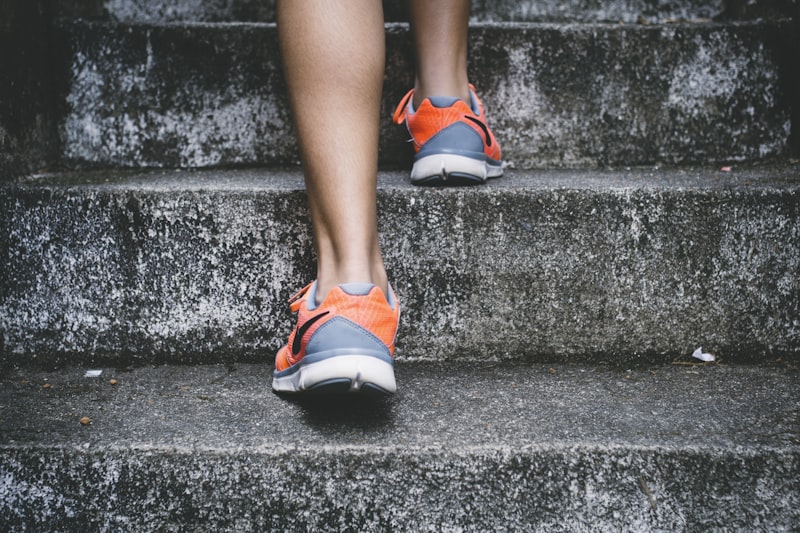
Photo: Unsplash.com — Unsplash

Photo: Unsplash.com — Unsplash
Cultivate Social Connection — The Overlooked Wellness Habit
Social connection is as critical to health as diet and exercise — yet it remains among the most underestimated daily healthy habits for longevity. A landmark meta-analysis by Holt-Lunstad et al. (2015) analyzing 148 studies found that social isolation increases mortality risk by 29%, comparable to smoking 15 cigarettes per day. Loneliness is now classified by the WHO as a global health priority.
Meaningful daily social interactions — even brief ones — lower cortisol, reduce inflammatory markers, and activate the brain's reward circuitry. This habit doesn't require large social gatherings: a 10-minute conversation with a colleague, a phone call to a family member, or active participation in a community group all deliver measurable benefits.
Journal or Reflect — Mental Clarity and Emotional Processing
Daily reflective writing — whether gratitude journaling, expressive writing, or structured reflection — is a high-leverage habit for mental wellness backed by decades of research. Psychologist James Pennebaker's foundational studies demonstrated that expressive writing about thoughts and feelings reduces intrusive thoughts, improves immune function, and lowers physician visits by up to 43% over six months.
A daily journaling habit requires only 5–15 minutes and no special equipment. Effective approaches include the "Three Good Things" gratitude technique (Harvard Medical School), stream-of-consciousness "morning pages" (Julia Cameron), and structured prompts addressing what you learned, what challenged you, and what you're grateful for.
Journaling is a wellness supplement, not a replacement for professional mental health care. If you experience persistent depression, anxiety, or emotional distress, consult a licensed mental health professional. Journaling works best as part of a comprehensive mental and physical health routine.
Limit Alcohol and Avoid Tobacco — Protect Your Baseline Health
The 2023 WHO/IARC report on alcohol consumption removed the concept of a "safe" level of alcohol, classifying it as a Group 1 carcinogen regardless of dose. Even moderate alcohol consumption is associated with increased risk of breast cancer, liver disease, and neurological decline. For those building a sustainable healthy lifestyle, reducing or eliminating alcohol is one of the highest-impact changes possible.
Tobacco use remains the leading preventable cause of death globally, responsible for over 8 million deaths annually. Even passive exposure (secondhand smoke) increases non-smokers' risk of lung cancer by 20–30%. If you currently smoke, evidence-based cessation strategies — including nicotine replacement therapy, varenicline, and behavioral support — dramatically improve quit rates.
How to Build Your Healthy Daily Routine — A Step-by-Step Framework
Knowing the habits is only half the challenge. Implementation requires strategy. Here is a research-backed, phased approach to building a sustainable healthy daily routine:
-
1
Phase 1: Choose One Habit (Weeks 1–2)Select the single habit with the greatest impact on your current health challenges. Attempting multiple habits simultaneously drastically reduces success rates. Focus on one keystone habit — ideally hydration, sleep, or movement — and practice it daily without exception.
-
2
Phase 2: Anchor It (Weeks 3–4)Attach your new habit to an existing behavior using "habit stacking" (James Clear, Atomic Habits). Example: "After I pour my morning coffee, I will drink one full glass of water first." The existing habit is the trigger; the new habit is the response.
-
3
Phase 3: Track and Celebrate (Weeks 5–8)Use a habit tracker (paper, app, or calendar) and mark each successful day. Don't break the chain. When you miss a day — and you will — apply the "never miss twice" rule immediately. Celebrate small wins consciously; dopamine reinforcement accelerates habit formation.
-
4
Phase 4: Add the Next Habit (Month 3+)Once the first habit feels automatic (typically 60–90 days), introduce a second habit using the same framework. Compounding good habits is how transformative change happens — not through willpower, but through systematic architecture.
-
5
Phase 5: Quarterly Review and OptimizeEvery three months, assess your routine holistically. What habits are generating the greatest return? Which feel forced? Wellness routines should evolve with your life circumstances, energy levels, and goals. Adjust without guilt.

Photo: Unsplash.com — Unsplash
Daily Habits Cheat Sheet — Quick Reference Guide
| # | Habit | Daily Time Required | Primary Benefit | Difficulty Level |
|---|---|---|---|---|
| 1 | Hydration | ~2 minutes | Metabolism, cognition, detox | ★ Easy |
| 2 | Exercise / Movement | 20–45 minutes | Cardiovascular, mental health | ★★ Moderate |
| 3 | Nutritious Breakfast | 10–20 minutes | Energy, blood sugar stability | ★ Easy |
| 4 | Mindfulness / Meditation | 10–15 minutes | Stress reduction, clarity | ★★ Moderate |
| 5 | Quality Sleep | 7–9 hours | Full-body restoration | ★★★ Requires structure |
| 6 | Limit Processed Foods | Ongoing awareness | Reduced inflammation, longevity | ★★ Moderate |
| 7 | Outdoor Time / Sunlight | 15–30 minutes | Circadian rhythm, immune boost | ★ Easy |
| 8 | Social Connection | 10–20 minutes | Emotional wellness, longevity | ★ Easy |
| 9 | Journaling / Reflection | 5–15 minutes | Mental clarity, emotional health | ★ Easy |
| 10 | Limit Alcohol / Avoid Tobacco | Ongoing choice | Cancer prevention, longevity | ★★★ High impact |
Frequently Asked Questions — Daily Healthy Habits
Start Your Healthier Life Today — One Habit at a Time
You don't need to transform everything overnight. Choose one habit from this guide — start with hydration or a 20-minute morning walk — and commit to it for 66 days. The compound effect of even a single consistent habit is profound. Your future self will be built by the small decisions you make today.
Explore More Wellness Guides →





0 Comments