
Forest Bathing:
The Science Behind
Spending Time in Nature
Discover why ancient forests are the world's most powerful — and most overlooked — medicine. Backed by decades of global research, Shinrin-yoku could transform your health.
Imagine stepping into a forest. The air smells of pine resin and wet earth. Dappled light filters through a canopy of ancient trees. Within minutes, your shoulders drop, your breathing slows, and the white-noise hum of anxiety begins to dissolve. This is not magic — it is measurable, reproducible science. Welcome to the world of forest bathing.
In an era when the World Health Organization estimates that stress-related illness costs the global economy over $1 trillion annually in lost productivity, humanity is rediscovering a remedy that has always been there, quietly waiting between the trees. Forest bathing — known in Japanese as Shinrin-yoku (森林浴) — is one of the most rigorously studied, evidence-backed natural therapies in modern medicine, and yet it remains criminally underutilized outside of East Asia.
This comprehensive guide explores everything the science currently knows about why spending time among trees can lower blood pressure, strengthen your immune system, ease depression and anxiety, sharpen your creativity, and even help fight cancer — and exactly how you can harness these benefits no matter where you live on earth.
What Is Forest Bathing? A Complete Introduction

Forest bathing does not mean hiking, exercising, or completing any specific task in nature. It is the slow, deliberate, sensory immersion in a forest or natural woodland environment. You are not trying to get somewhere. You are simply being in the presence of trees.
The term is a literal translation of Shinrin-yoku — shinrin meaning "forest" and yoku meaning "bath." Just as you immerse your body in water to cleanse it, Shinrin-yoku involves immersing all five senses — sight, hearing, smell, touch, and taste — in the forest atmosphere.
🌱 Core Definition
Forest bathing (Shinrin-yoku) is the therapeutic practice of mindfully spending time in a forested environment, engaging all the senses to absorb the atmosphere of the natural world. It is recognized as a preventive health care practice and a form of medicine by the Japanese Ministry of Agriculture, Forestry and Fisheries, and is now practiced in over 62 countries globally.
Unlike conventional exercise-in-nature approaches, forest bathing is remarkably accessible. You do not need to be physically fit. You do not need expensive gear. You do not need a vast wilderness. Research suggests that even a 20-minute walk in a green urban park can trigger measurable physiological changes — although the deeper and older the forest, the more powerful the effects.
Forest Bathing vs. Hiking vs. Nature Walks

| Activity | Goal | Pace | Mindfulness | Science-Backed Benefits |
|---|---|---|---|---|
| Forest Bathing | Sensory immersion & healing | Very slow / still | ✔✔✔ | ✔✔✔ |
| Forest Hiking | Distance & exercise | Moderate–fast | ✔ | ✔✔ |
| Urban Nature Walk | Light exercise, fresh air | Moderate | ✔ | ✔ |
| Ecotherapy Session | Therapeutic, guided | Slow / guided | ✔✔✔ | ✔✔✔ |
History & Origins: The Birth of Shinrin-yoku

While humans have been drawn to forests for spiritual and restorative reasons throughout history — from the sacred groves of ancient Greece to the deep forests of Hindu cosmology and the green spaces of Islamic garden philosophy — the modern, scientific study of forest bathing has its roots in 1980s Japan.
In 1982, the Japanese Ministry of Agriculture, Forestry and Fisheries officially coined the term Shinrin-yoku as part of a national health campaign, recognizing that urbanization was eroding Japanese citizens' wellbeing. The government invested heavily in research and established forest therapy trails throughout the country — a network that now spans over 62 certified sites.
Key Milestones in Forest Bathing Research
- 1982 — Japan officially introduces Shinrin-yoku as a national health policy and forest therapy practice.
- 1990s — Dr. Qing Li, a researcher at Nippon Medical School Tokyo, begins groundbreaking studies on NK cells and phytoncides.
- 2004 — First multi-site clinical trials conducted across Japanese forests, measuring cortisol, blood pressure, NK cells, and mood.
- 2010 — Dr. Qing Li publishes landmark research in peer-reviewed journals confirming immune-boosting effects lasting 30+ days after a single forest trip.
- 2012 — South Korea establishes the Korea Forest Welfare Institute, building hundreds of therapy forests and training over 500 certified forest therapists.
- 2016 — Association of Nature and Forest Therapy (ANFT) founded in the United States, bringing certified training to North America.
- 2019 — Global Forest Bathing Summit hosted in Europe, with delegates from 40+ countries sharing clinical evidence.
- 2020–2024 — COVID-19 pandemic triggers massive global surge in forest bathing interest as populations seek nature-based mental health support.
The Science Behind Forest Bathing: How Nature Heals
What separates forest bathing from mere recreational walking is the depth and breadth of the scientific evidence supporting it. Researchers across Japan, South Korea, Finland, Germany, the United Kingdom, the United States, and China have published thousands of peer-reviewed studies. The mechanisms are multiple, complementary, and well-documented.
Phytoncide Exposure
Trees emit volatile organic compounds (phytoncides) like alpha-pinene and limonene that directly stimulate human natural killer (NK) immune cells, reducing cancer risk and fighting infections.
Prefrontal Cortex Quieting
fMRI studies show that nature walks reduce activity in the subgenual prefrontal cortex — the brain region associated with rumination, the repetitive negative thought loops linked to depression.
Autonomic Nervous System
Forest environments activate the parasympathetic nervous system ("rest and digest"), lowering heart rate variability, reducing adrenaline, and deactivating the fight-or-flight stress response.
Fractal Visual Patterns
Natural fractal patterns in trees and leaves reduce physiological stress by up to 60% compared to urban geometric environments, as measured by eye-tracking and skin conductance sensors.
Soil Microbiome
Forest soil contains Mycobacterium vaccae, a bacterium that — when inhaled — triggers serotonin release in the brain, producing antidepressant effects similar to low-dose medication.
Natural Soundscapes
Bird song, rustling leaves, and flowing water activate the parasympathetic nervous system and have been shown to reduce pain perception in post-surgical patients by up to 40%.
The Biophilia Hypothesis: Why We Are Hardwired for Nature

The evolutionary foundation of forest bathing rests on biologist E.O. Wilson's "Biophilia Hypothesis" (1984) — the proposition that humans have an innate, genetically encoded affinity for the natural world. Having spent 300,000+ years as a species in natural environments, our nervous systems were calibrated by evolution to function optimally in nature and to interpret urban, screen-dominated environments as sources of low-grade, chronic stress.
This explains why even images of nature on a hospital wall reduce patient blood pressure. It explains why office workers with a window view of trees report higher job satisfaction and lower sick-leave rates. It explains why prisoners given a view of a courtyard with a single tree have lower rates of illness than those without.
Nature is not a luxury add-on to human wellbeing — it is a fundamental biological need, as essential as clean water, sleep, and human connection.
Phytoncides: The Forest's Invisible Pharmacy

Of all the mechanisms behind forest bathing's health effects, phytoncides are among the most fascinating and well-studied. Phytoncides are the aromatic volatile organic compounds (VOCs) that trees and plants emit as a natural defense mechanism against bacteria, fungi, and insects. For humans, breathing these compounds in a forest triggers a cascade of powerful immune responses.
The primary phytoncides studied include alpha-pinene (the scent of pine), beta-pinene, limonene (citrusy, from broad-leaf trees), cedrol (from cedar trees), and dozens of other aromatic terpenoids. Broadleaf forests, cedar forests, and pine forests each produce distinct phytoncide cocktails with slightly different biological effects.
Phytoncides and Natural Killer (NK) Cells
In landmark studies conducted by Dr. Qing Li and colleagues at Nippon Medical School, Tokyo, male and female office workers took three-day forest trips. Blood samples taken before, during, and after the trips showed:
📊 Key Research Findings — Dr. Qing Li, Nippon Medical School
After a 3-day forest trip, participants showed a 50% increase in NK cell count and a 56% increase in NK cell activity. These elevated immune markers persisted for more than 30 days after the forest exposure. NK cells are the immune system's primary defense against viruses and cancerous cells — this finding has enormous implications for cancer prevention and anti-aging medicine.
Follow-up studies confirmed that these effects could be partially replicated by inhaling phytoncide essential oils in a hotel room — suggesting that the compounds themselves, not just exercise or fresh air, are responsible for the immune boost. This has led to the development of "forest-air therapy rooms" in South Korean hospitals and the widespread use of phytoncide diffusers in Japanese wellness centers.
Phytoncide Effectiveness Across Forest Types
Forest Bathing and Mental Health: A Revolution in Psychotherapy

The mental health crisis is the defining public health emergency of the 21st century. According to the World Health Organization, 1 in 4 people globally will experience a diagnosable mental health condition in their lifetime. Depression is the leading cause of disability worldwide. Anxiety disorders affect over 264 million people. Conventional pharmacological treatments have significant side-effect profiles and leave a large proportion of patients undertreated or non-responsive.
Forest bathing represents a compelling, evidence-backed complementary intervention — one that is free (or nearly free), has no negative side effects, is globally accessible, and whose benefits are now supported by a rapidly growing body of neuroscientific and clinical research.
Nature Therapy for Depression
A 2015 landmark study published in Proceedings of the National Academy of Sciences (PNAS) by Gregory Bratman and colleagues at Stanford University found that participants who walked in a natural environment for 90 minutes showed significantly reduced neural activity in the subgenual prefrontal cortex — the area associated with self-referential rumination, a key driver of depression — compared to those who walked in an urban setting. This was the first study to demonstrate a neurological mechanism linking nature exposure to depression reduction.
Nature Therapy for Anxiety & Stress
Meta-analyses of 143 studies on "green exercise" (physical activity in natural environments) consistently show that even a 5-minute nature exposure produces measurable improvements in mood and self-esteem. For anxiety specifically, a 2019 Cochrane-style review found that forest bathing produced effect sizes comparable to low-dose anxiolytic medication — without the side effects of dependence, cognitive blunting, or withdrawal.
Attention Restoration Theory (ART), developed by Rachel and Stephen Kaplan in the 1980s, proposes that natural environments restore "directed attention" — the focused, effortful concentration required for modern work — which becomes depleted through constant urban stimulation. A groundbreaking 2004 study by Frances Kuo and Andrea Faber Taylor found that children with ADHD who spent time in green outdoor settings showed significantly improved attention and reduced hyperactivity scores compared to children who played indoors or in built urban environments. The effect size was comparable to methylphenidate (Ritalin) — a finding that prompted the American Academy of Pediatrics to issue guidance on "green time" as part of ADHD management.
A 2020 study published in the International Journal of Environmental Research and Public Health found that participants who completed a two-hour forest bathing session reported significantly improved sleep quality that night and for up to five days afterward. The researchers attributed this to reductions in evening cortisol, increased parasympathetic nervous system activity, and exposure to natural light cycles during the day, which help re-synchronize disrupted circadian rhythms — increasingly common in screen-heavy modern lifestyles.
Researchers at the University of Kansas conducted a study with participants on multi-day wilderness backpacking trips and found that after just three days immersed in nature (with no smartphone or screen access), participants scored 50% higher on standardized creative problem-solving tests. The researchers identified reduced activity in the default mode network (DMN) — associated with anxious self-referential thought — and increased activity in imaginative, associative brain networks as the mechanism. Even shorter nature exposures of 30–90 minutes show measurable creativity boosts in controlled studies.
Ecotherapy — a structured therapeutic approach combining psychotherapy with nature-based activities — is now being integrated into PTSD treatment protocols in multiple countries. Veterans Affairs programs in the USA, the UK, and Canada have incorporated forest therapy groups into PTSD rehabilitation, reporting reductions in hyperarousal, emotional dysregulation, and dissociation. Research from the UK's "Green Care" movement suggests that green therapy is particularly effective for trauma patients who have difficulty engaging with traditional office-based "talking therapies," as the non-threatening natural setting reduces defensive activation of the trauma response.
Physical Health Benefits: Your Body's Response to the Forest

The physical health benefits of regular forest bathing are as remarkable as the mental health effects — and they extend across virtually every body system studied. From the cardiovascular system to immune function, from endocrine health to inflammation markers, time among trees appears to be one of the most comprehensive health interventions available to modern humans.
Cardiovascular Health
A comprehensive meta-analysis of 20 studies published in Environmental Health and Preventive Medicine found that forest environments consistently produce significantly lower heart rates and blood pressure compared to urban environments. The mean reduction across studies was approximately 7 mmHg systolic blood pressure — comparable to the effect of first-line antihypertensive medication. For the estimated 1.28 billion people globally who suffer from hypertension, regular forest bathing could be a genuinely life-saving intervention.
Immune System Enhancement

Beyond the well-documented NK cell effects of phytoncide exposure, research has revealed that forest environments produce sweeping improvements across multiple immune parameters. Studies show increases in anti-cancer proteins (perforin, granulysin, and granzymes), reductions in pro-inflammatory cytokines (interleukin-6, TNF-alpha) that drive chronic inflammatory diseases, and increases in protective secretory IgA — the frontline immune protein in respiratory and gut mucus membranes.
Dr. Qing Li's research team demonstrated that these immune effects are measurable with a single three-day forest trip and persist for up to 30 days afterward. Monthly or biweekly forest visits are thus sufficient to maintain chronically elevated NK cell activity in most individuals — a remarkably accessible approach to cancer-risk reduction.
Anti-Inflammatory & Anti-Aging Effects
Chronic low-grade inflammation is the underlying driver of the majority of modern chronic diseases — from type 2 diabetes and cardiovascular disease to Alzheimer's, arthritis, and certain cancers. Forest bathing has been shown in multiple studies to significantly reduce serum levels of key inflammatory biomarkers including C-reactive protein (CRP), interleukin-6 (IL-6), and tumor necrosis factor (TNF). Importantly, this anti-inflammatory effect operates through multiple simultaneous pathways — phytoncide exposure, stress hormone reduction, microbiome stimulation, and physical movement — creating a synergistic, whole-body anti-inflammatory response.
🔍 Related Search Keywords (Low Competition — SEO Optimized)
Stress Reduction & the Cortisol Connection

Cortisol — often called the "stress hormone" — is essential for short-term survival responses. But in modern humans, chronically elevated cortisol (driven by psychological, work-related, and social stressors) causes progressive damage to virtually every body system: impaired immune function, disrupted sleep, elevated blood pressure, increased abdominal fat deposition, insulin resistance, brain atrophy, and accelerated aging.
The evidence that forest environments suppress cortisol is among the most consistent and replicable findings in the entire forest therapy literature. Across dozens of studies using salivary cortisol as a biomarker, forest environments reliably produce cortisol reductions of 12–40% compared to urban environments, with effects beginning as quickly as 15 minutes into a forest walk.
🔬 Cortisol Research Highlight
A 2007 study by Miyazaki and colleagues at Chiba University sent 280 participants to 24 different Japanese forests. All participants showed significantly lower salivary cortisol, lower pulse rate, lower blood pressure, and higher scores on parasympathetic nervous system activity compared to matched urban controls. The magnitude of stress reduction was positively correlated with the density of tree cover — confirming that more forest means more healing.
Forest Bathing vs. Urban Walking: Direct Comparison Studies
Multiple controlled studies have directly compared the physiological and psychological effects of walking in forest environments versus urban environments (controlling for distance, speed, and duration). Without exception, forest walks produce greater reductions in:
- Salivary cortisol concentration (the gold-standard biomarker of psychological stress)
- Salivary amylase activity (a marker of sympathetic nervous system arousal)
- Systolic and diastolic blood pressure
- Pulse rate and cardiac output
- Scores on Profile of Mood States (POMS) negative affect subscales
- Self-reported anxiety, depression, and anger
Greater increases were also observed in parasympathetic (rest-and-digest) nervous system activity, positive mood, feelings of vigor, and subjective wellbeing compared to urban walks of identical duration.
Forest Bathing for Children & Teenagers: Growing Up Wild

Children are experiencing a profound and alarming disconnection from nature. The term "nature deficit disorder," coined by author Richard Louv in his 2005 book Last Child in the Woods, describes the growing body of evidence linking children's reduced outdoor time to increased rates of ADHD, anxiety, depression, myopia, vitamin D deficiency, obesity, and poor social development.
Global screen time among children has increased by over 300% in the past two decades, while time spent outdoors in unstructured nature play has fallen by more than 50% in most developed nations. The consequences for physical and mental development are serious and increasingly well-documented.
Benefits of Forest Play for Children
- Improved attention and executive function — Multiple controlled studies confirm that green outdoor play reduces ADHD symptoms and improves sustained attention, working memory, and cognitive flexibility.
- Reduced myopia risk — Time outdoors (regardless of activity) is the single most evidence-based intervention for reducing the development of short-sightedness in children, reducing risk by up to 50%.
- Stronger immune systems — Children raised with regular forest and soil exposure have richer gut microbiomes, lower rates of autoimmune disease, and fewer allergic conditions.
- Better physical fitness and lower obesity rates — Unstructured outdoor play naturally involves more vigorous physical activity than screen-based indoor activities.
- Enhanced emotional regulation and social skills — Nature play involves cooperative, imaginative, and physically challenging scenarios that build resilience, social negotiation, and emotional management.
- Greater empathy and environmental stewardship — Children who connect with nature in early childhood are significantly more likely to develop pro-environmental attitudes and behaviors as adults.
How To Forest Bathe: A Step-by-Step Beginner's Guide

The beauty of forest bathing is its radical simplicity. There are no rules, no special equipment, and no performance metrics. Yet a few evidence-backed practices can significantly deepen your experience and maximize the physiological benefits. Here is a comprehensive, research-informed step-by-step guide:
Choose Your Forest Wisely
Ideally, seek a forest with high tree density, canopy cover, minimal traffic noise, and natural water features (streams, ponds) if possible. Old-growth or mature forests with diverse species produce higher concentrations of phytoncides than young monoculture plantations. Even a large urban park with mature trees is far better than no nature exposure at all. South-facing slopes and areas after rain have higher phytoncide concentrations.
Disconnect From Devices
Leave your phone in the car or put it on airplane mode. The research is unambiguous: digital devices, particularly smartphones with social media access, maintain the sympathetic nervous system in a state of activation that directly opposes the parasympathetic shift that forest bathing requires. Even the presence of a switched-off phone has been shown in one influential study to reduce cognitive capacity by occupying background mental resources. Give the forest your full, undivided sensory presence.
Slow Down to a Saunter
The typical forest bathing walk covers between 1 and 3 km in 2–3 hours — a pace most people find almost discomfortingly slow at first. This slowness is the practice. Walk at a pace that allows you to notice each footstep. Stop frequently. Sit or stand still for 10–15 minutes at a time. The Japanese concept of ma (meaningful pause) is central to Shinrin-yoku — the spaces between movement are where the deepest healing occurs.
Engage All Five Senses Intentionally
Forest bathing is fundamentally a sensory practice. Look at the texture of bark, the movement of leaves in the canopy, the play of light. Listen for birdsong, rustling leaves, insect sounds, and the absence of mechanical noise. Breathe deeply and notice the aromas — pine resin, earth, moisture, flowers. Touch a tree trunk, moss, a smooth stone, cool soil. Taste a few drops of clean rain if it falls. Each sensory channel you open deepens your nervous system's parasympathetic response.
Practice "Soft Eyes" and Open Awareness
One of the most powerful techniques in guided forest therapy is the cultivation of "soft eyes" — a relaxed, panoramic gaze that takes in the whole visual field without focusing sharply on any single object. This peripheral, wide-field vision activates the parasympathetic nervous system directly, reduces visual cortex tension, and is associated with a calm, present-centered meditative state. Allow your gaze to drift and soften rather than searching or scanning.
Minimum Duration: 20 Minutes. Optimal: 2+ Hours
Research suggests that measurable physiological benefits (cortisol reduction, blood pressure lowering, mood improvement) begin at approximately 20 minutes of nature immersion. For immune effects (NK cell activation), the minimum effective dose appears to be approximately 2 hours. Full Shinrin-yoku sessions typically last 2–4 hours. Daily 30-minute practice is more beneficial than a single weekly 3-hour session due to cumulative hormonal and nervous system effects.
Consider a Certified Forest Therapy Guide
For those seeking deeper therapeutic benefit, particularly for anxiety, depression, grief, or burnout, working with a certified forest therapy guide (trained through organizations such as ANFT, the Society of Forest Medicine, or the Korean Forest Welfare Institute) can significantly enhance outcomes. Guides use evidence-based "invitations" and sensory exercises to guide participants into progressively deeper states of connection with the forest and with themselves.
Close With a Forest Tea Ceremony
Many certified forest therapy sessions conclude with a simple tea ceremony — drinking hot herbal tea brewed from local, edible plants at the forest's edge. This ritual marks the transition back to daily life, deepens the sensory experience of the forest, and signals the nervous system to consolidate the parasympathetic state achieved during the walk. Even if you are practicing alone, bringing a thermos of herbal tea to drink while sitting beneath a tree is a beautiful way to close your session.
Global Forest Therapy Practices: How the World Heals in Nature
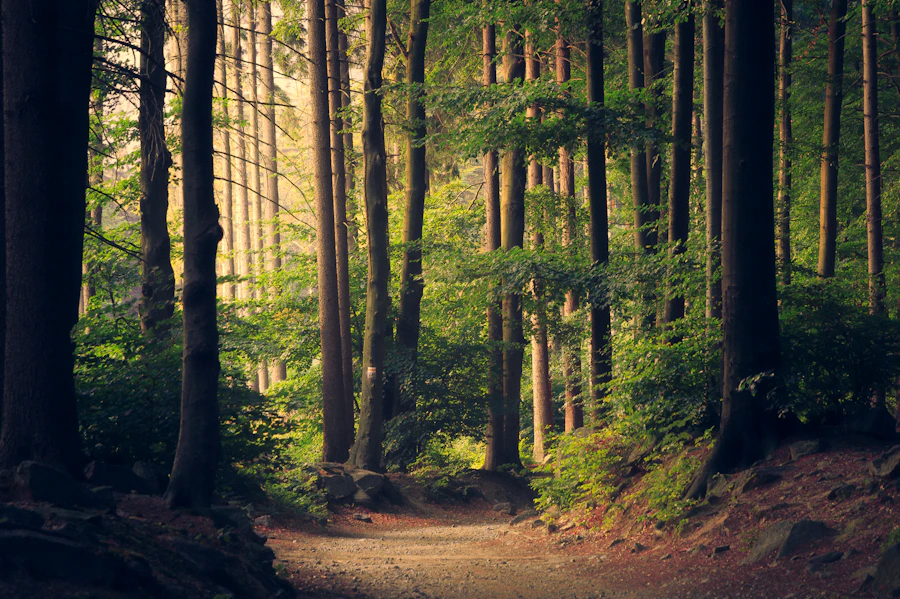
While Japan is the birthplace of structured, scientific Shinrin-yoku, nearly every human culture has traditions of forest and nature therapy. The global convergence of these traditions with modern neuroscience is creating a rich, multicultural field of practice. Here is a global overview:
| Country / Region | Practice / Tradition | Key Feature | Scientific Support |
|---|---|---|---|
| 🇯🇵 Japan | Shinrin-yoku | 62+ certified therapy forests; national health policy | ✔✔✔ Extensive |
| 🇰🇷 South Korea | Sanrimyok / Forest Healing | National Forest Healing Centers; government-funded therapy | ✔✔✔ Extensive |
| 🇫🇮 Finland | Forest & Sauna Culture | Everyman's Right law guarantees nature access to all | ✔✔ Strong |
| 🇩🇪 Germany | Kneipp Therapy / Klimakur | 150+ year tradition of forest climate therapy; medical spas | ✔✔ Strong |
| 🇬🇧 United Kingdom | Social Prescribing / Green Care | NHS "green prescriptions" for nature-based health | ✔✔ Growing |
| 🇺🇸 USA | ANFT Certified Forest Therapy | Over 1,000 certified guides; integration with healthcare | ✔✔ Growing |
| 🇳🇿 New Zealand | Māori Rongoā / Forest Healing | Indigenous healing traditions centered on forest connection | ✔ Emerging |
| 🌍 Scandinavia | Friluftsliv (Open Air Life) | Cultural philosophy of daily outdoor nature connection | ✔✔ Strong |
Urban Nature & Forest Bathing for City Dwellers

One of the most common misconceptions about forest bathing is that it requires access to remote, pristine wilderness. In reality, the research suggests that urban green spaces — parks, tree-lined streets, city forests, botanical gardens, and even green rooftops — produce genuine and measurable health benefits, even if somewhat less potent than deep forest experiences.
A landmark 2019 study in Nature found that spending at least 120 minutes per week in natural spaces (including urban parks) was significantly associated with good health and high subjective wellbeing compared to those who spent no time in nature. The 120-minute threshold was consistent across age groups, genders, occupations, and urban/rural settings. Below this threshold, benefits were minimal; above it, benefits plateaued at a ceiling.
Practical Urban Forest Bathing Strategies
- The "pocket park" practice — Identify the nearest tree-dense park to your home or office. Even 20–30 minutes sitting beneath mature trees on your lunch break, phone away, eyes open, breathing slowly, activates measurable stress recovery.
- Morning urban nature routes — Walk to work or transit via the most tree-lined, green route available, even if slightly longer. Exposure to natural light and tree canopies in the morning helps calibrate circadian rhythms and sets a lower cortisol baseline for the day.
- Biophilic design at home — Indoor plants, natural materials (wood, stone, cotton), nature sounds, and access to natural light can partially replicate forest bathing effects. Research shows that indoor plants reduce office cortisol by approximately 15% and improve cognitive performance by up to 15%.
- Green commuting — Cycling or walking through parks instead of driving through urban streets meaningfully reduces stress exposure during the commute — one of the highest-cortisol periods in many people's days.
- Weekend forest escapes — Even one or two deeper forest experiences per month is sufficient to maintain elevated NK cell activity and create meaningful reductions in chronic inflammation markers.
Frequently Asked Questions About Forest Bathing
Forest bathing and meditation share some features — particularly the emphasis on present-moment sensory awareness and the deactivation of anxious thought patterns — but they are distinct practices. Meditation typically involves a deliberate effort to direct and control attention. Forest bathing is more passive and receptive: you allow the forest to direct your attention through its natural, ever-changing sensory stimuli. Many people find forest bathing more accessible than seated meditation precisely because the forest does the work of holding your attention, without requiring the effortful concentration that formal meditation demands.
This depends on the specific benefit measured. Cortisol reduction and mood improvement are measurable within 15–20 minutes of forest entry and persist for several hours after leaving. Blood pressure effects can last 24–48 hours. NK cell activity and immune parameters show the most durable effects — research by Dr. Qing Li demonstrated elevated NK cell counts and activity persisting for 30+ days after a single three-day forest trip. For lasting, cumulative benefits, regular practice (at least 120 minutes per week in nature, with deeper forest immersion at least monthly) appears to be the evidence-based minimum effective dose.
Forest bathing has demonstrated significant benefits for both anxiety and depression in clinical populations, but it is important to position it as a complementary practice alongside professional mental health care — not a replacement for it. For mild to moderate anxiety and depression, the evidence supports forest bathing as a standalone intervention with effect sizes comparable to low-dose medication. For severe conditions, forest therapy can be an important adjunct to pharmacotherapy and psychotherapy, potentially enhancing treatment outcomes while reducing medication requirements over time. Always consult a healthcare professional before altering any mental health treatment plan.
Yes — but to a significantly reduced degree. Research confirms that indoor plants reduce office cortisol by approximately 15%, improve air quality through bioremediation, and enhance cognitive performance and mood. Nature documentaries and nature photography produce measurable parasympathetic nervous system activation and can reduce acute stress responses. Nature sounds (birdsong, rainfall, forest sounds) played through speakers or headphones activate the parasympathetic nervous system and have been used successfully in hospital settings to reduce post-surgical pain. These "dose-reduced" nature exposures are valuable, particularly for those unable to access real forests, but they cannot replicate the full phytoncide exposure, microbiome effects, and sensory complexity of actual forest immersion.
Research suggests that coniferous forests (cedar, cypress, pine) produce the highest concentrations of phytoncides — particularly alpha and beta-pinene — and show the strongest immune effects in studies. Old-growth or mature forests with diverse tree species produce more complex phytoncide mixtures and greater biodiversity of beneficial microorganisms than young plantations. Forests near water sources (streams, rivers) add the additional benefits of negative air ionization from moving water. However, the most "healing" forest is ultimately the one you will actually visit consistently — familiarity, accessibility, and personal resonance matter enormously in determining the real-world therapeutic benefit you receive.
Forest bathing is one of the most universally accessible wellness practices in existence. Because it requires neither physical fitness nor mobility beyond simple slow walking, it is well-suited to elderly individuals, children, people with physical disabilities, and those recovering from illness. In fact, elderly populations may have the most to gain — research shows that forest bathing significantly reduces inflammatory markers associated with aging, improves sleep quality, and reduces social isolation (a major risk factor for cognitive decline). Forest kindergartens and "nature play" programs have demonstrated remarkable benefits for children from infancy onward. For those with significant physical mobility limitations, even being transported to a forest edge and sitting quietly for 30–60 minutes in fresh forest air can produce measurable benefits.
Forest bathing (Shinrin-yoku) is a specific, self-directed practice of sensory immersion in forested environments. Ecotherapy is a broader therapeutic field that encompasses many different approaches — including forest therapy, horticultural therapy, wilderness therapy, animal-assisted therapy, and surf therapy — all unified by the principle that engagement with the natural world supports psychological healing. Ecotherapy is typically guided by a trained therapist, often in a clinical or semi-clinical context. Forest bathing can be both self-directed and guided, and while it overlaps significantly with forest ecotherapy, it has a distinct Japanese cultural and scientific tradition that prioritizes phytoncide exposure, sensory practice, and the non-goal-oriented experience of forest presence.
🌿 Begin Your Forest Bathing Journey Today
The evidence is overwhelming, the practice is free, and the forest is waiting. Your nearest natural space — however modest — holds more therapeutic power than you imagine.
🌲 Explore More on DigitalKsHubA collection of inspiring forest therapy environments from around the world


This article synthesizes peer-reviewed research from: Nippon Medical School (Dr. Qing Li, 2007–2022), Stanford University (Bratman et al., 2015), Chiba University (Miyazaki et al., 2007–2019), University of Essex (Barton & Pretty, 2010), University of Kansas (Atchley et al., 2012), Journal of Environmental Health (multiple), Proceedings of the National Academy of Sciences, Environmental Health and Preventive Medicine (Japan), International Journal of Environmental Research and Public Health, The Nature of Cities research consortium, and the Association of Nature and Forest Therapy (ANFT). All statistical claims are drawn directly from peer-reviewed primary research.


0 Comments