
How to Start Running from Scratch: A Complete Beginner's Plan
From your very first steps to crossing the finish line — the only guide you'll ever need to go from couch to confident runner.
You don't need to be an athlete. You don't need expensive gear. You don't need to be fast. All you need is a pair of shoes, some open space, and the willingness to take that very first step. This complete beginner's running plan will take you from zero experience to running 30 minutes non-stop — and beyond.
Running is the most democratic sport on earth. No gym membership, no coach, no teammates — just you, the road, and the rhythm of your breathing. Yet millions of beginners quit within the first two weeks because they start too fast, too hard, or without a real plan. That won't be you. This guide gives you the science-backed strategy, week-by-week schedule, nutrition advice, gear recommendations, and mental tools to make running a lifelong habit.
Whether your goal is weight loss, stress relief, building cardiovascular fitness, or running your first 5K, this guide has you covered. Let's begin.
📋 Table of Contents
- Why Running? The Life-Changing Benefits
- Before You Start: Doctor, Assessment & Mindset
- Essential Running Gear for Beginners
- Perfect Running Form from Day One
- The 8-Week Beginner Running Plan
- Breathing Techniques for New Runners
- Running Nutrition: What to Eat
- Injury Prevention & Recovery
- The Mental Game: Staying Motivated
- Running Environments: Road, Trail & Treadmill
- Running for Weight Loss: What Works
- Your First 5K Race: How to Prepare
- FAQs

The open road awaits — every expert runner was once exactly where you are right now.
1. Why Running? The Life-Changing Benefits of Lacing Up
Before we dive into the how, let's talk about the why. Understanding the profound benefits of running will keep you motivated when your legs feel heavy and your alarm goes off early.
Physical Benefits of Running for Beginners
Running is one of the most efficient cardiovascular exercises known to science. Within weeks of starting a regular running practice, beginners notice measurable improvements in their heart health, lung capacity, and body composition. Here's what the research confirms:
Cardiovascular Health
Regular running lowers resting heart rate, reduces blood pressure, and cuts the risk of heart disease by up to 45% over time.
Powerful Calorie Burn
A 155-lb person burns approximately 372 calories running at 6 mph for 30 minutes — more than almost any other exercise.
Stronger Bones & Joints
Contrary to myth, running strengthens bones by increasing density. It also improves cartilage health when done correctly.
Mental Health Boost
Running releases endorphins, dopamine, and serotonin — the brain's natural "feel good" chemicals — reducing anxiety and depression.
Better Sleep Quality
Studies show runners fall asleep faster, spend more time in deep sleep, and wake feeling significantly more rested.
Increased Energy Levels
While it sounds counterintuitive, regular aerobic exercise dramatically increases daily energy by improving mitochondrial efficiency.
The "Runner's High" — Real and Achievable
The famous runner's high isn't just folklore. A 2021 study published in the Journal of Experimental Biology confirmed that endocannabinoids — molecules similar to those in cannabis — flood the brain during sustained running, creating genuine feelings of euphoria, calm, and reduced pain. Even beginner runners report this sensation after consistent training for 3–4 weeks.
🌟 Fun Fact: Running Adds Years to Your Life
Research published in Progress in Cardiovascular Diseases found that runners live an average of 3 years longer than non-runners — and the benefit holds true even for people who run as little as 5–10 minutes per day at slow speeds.
2. Before You Start: Health Check, Self-Assessment & Mindset

Preparation before your first run is just as important as the run itself.
Should You See a Doctor First?
For most healthy adults under 40, a medical check-up is not strictly required before starting a gentle running program. However, we strongly recommend consulting your doctor first if any of the following apply to you:
- You have a pre-existing heart condition or high blood pressure
- You have Type 1 or Type 2 diabetes
- You are significantly overweight (BMI over 35)
- You have a history of joint injuries, especially in the knee, hip, or ankle
- You experience chest pain or shortness of breath during mild activity
- You are pregnant or have recently given birth
- You are over age 50 and have been sedentary for several years
Honest Self-Assessment: Where Are You Starting From?
There is no shame in your starting point. In fact, knowing your true fitness level is a superpower — it prevents the #1 beginner mistake: starting too fast and burning out. Try this simple test before your first run:
🏃 The 1-Mile Walk Test
Walk 1 mile (1.6 km) as briskly as you can. Note how you feel afterward:
- Barely breathing hard: You have a good aerobic base. Start with Week 2 of our plan.
- Breathing moderately hard: Start with Week 1 of our plan as written.
- Very winded or heart racing: Spend 1–2 weeks building your walking base first before adding any running intervals.
The Beginner's Most Important Mindset Shift
This is the single most important thing you'll read in this entire guide: running slowly is still running. Most beginners run far too fast, feel terrible, and conclude that "running isn't for them." The truth is that a 13-minute mile pace is a legitimate, effective, and completely respectable running pace. Slowing down is not a sign of weakness — it's the strategy that builds sustainable aerobic fitness.
3. Essential Running Gear for Beginners — What You Really Need
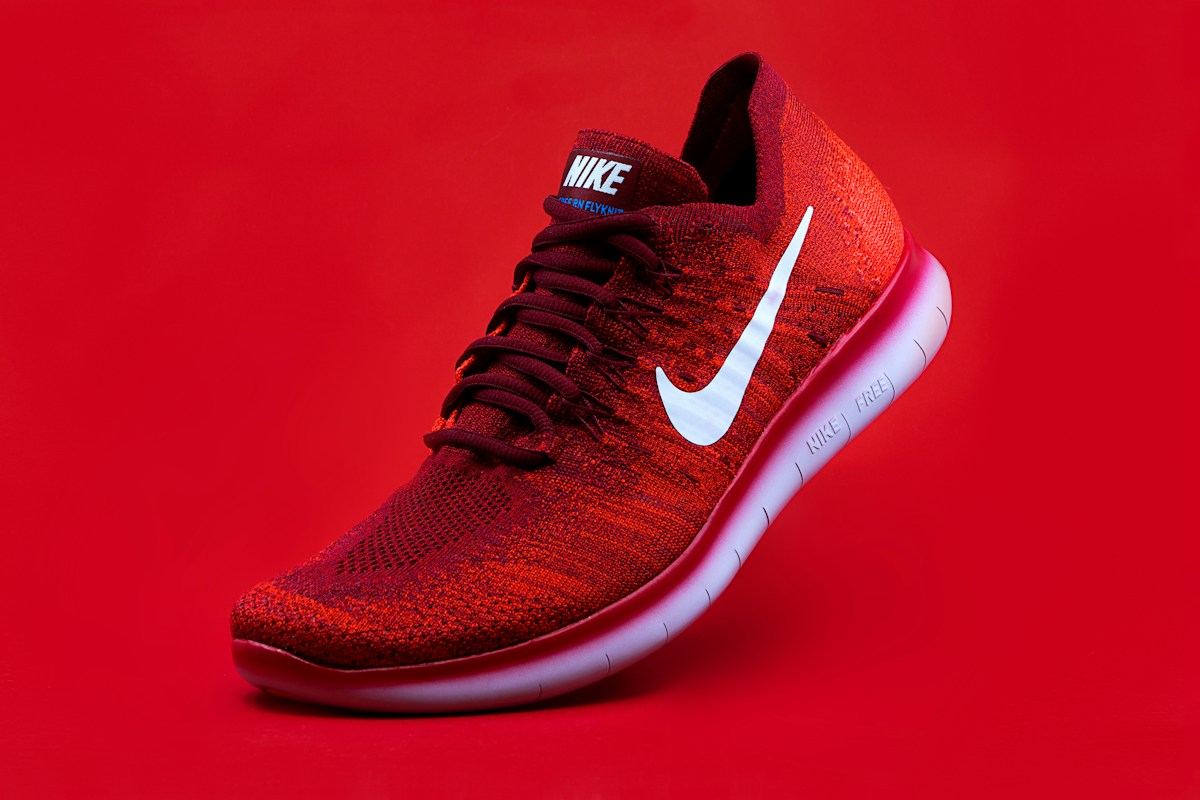
The right gear makes a world of difference — especially your shoes.
You don't need to spend a fortune to start running. But investing in the right basics will prevent injury and make your runs far more enjoyable. Here's the complete beginner's gear guide:
| Gear Item | Why It Matters | Budget Range | Priority |
|---|---|---|---|
| Running Shoes | Prevents injury, supports your specific gait. The single most important purchase. | $80–$180 | MUST HAVE |
| Moisture-Wicking Socks | Prevents blisters. Do NOT use cotton socks while running. | $10–$25/pair | MUST HAVE |
| Technical T-Shirt / Top | Wicks sweat, prevents chafing, regulates temperature. | $15–$60 | MUST HAVE |
| Running Shorts or Tights | Reduces thigh chafing, provides freedom of movement. | $20–$70 | MUST HAVE |
| Sports Bra (if applicable) | Essential for support and comfort. Choose activity-level rated. | $25–$80 | MUST HAVE |
| Running Watch / Fitness Tracker | Tracks distance, pace, heart rate. Helps you avoid going too fast. | $30–$350 | RECOMMENDED |
| Hydration Belt / Water Bottle | Essential for runs over 45 minutes or in hot weather. | $15–$50 | RECOMMENDED |
| Anti-Chafe Balm (Body Glide) | Prevents painful skin chafing on longer runs. A lifesaver. | $8–$15 | RECOMMENDED |
| Running Cap / Visor | Shields from sun and rain. Essential for outdoor running. | $15–$40 | OPTIONAL |
| Reflective Vest / Lights | Critical for safety when running before sunrise or after sunset. | $10–$35 | RECOMMENDED |
How to Choose the Right Running Shoes
Your shoes are your most important investment. The wrong shoe can cause knee pain, shin splints, and plantar fasciitis. The right one feels like running on clouds. Here's what to look for:
Get a Gait Analysis
Visit a specialty running store. Staff will analyze how your foot strikes the ground and recommend shoes for your pronation type (neutral, overpronation, underpronation).
Size Up Half a Size
Your feet swell during running. Always buy running shoes half a size larger than your regular shoe size to prevent black toenails and blisters.
Replace at 400–500 Miles
Running shoe cushioning degrades even when the outsole looks fine. Track mileage and replace every 400–500 miles (640–800 km) to maintain proper support.
4. Perfect Running Form from Day One


Good running form reduces injury risk, improves efficiency, and makes running feel easier. You don't need to be perfect from day one, but focusing on these fundamentals will pay enormous dividends over time.
Head-to-Toe Running Form Checklist
🏃♂️ Head & Eyes
- Look ahead, not down at your feet. Gaze should be 10–20 meters in front of you on flat ground.
- Relax your jaw. Tension in your face travels down to your shoulders and wastes energy.
- Keep your head neutral — ears over shoulders, not jutting forward.
💪 Shoulders, Arms & Hands
- Shoulders relaxed and low — not hunched up toward your ears.
- Arms bent at 90°, swinging forward and back (not across your body).
- Hands loosely cupped as if holding a potato chip you don't want to crush.
- Do a "shoulder shake" every few minutes during your run to release tension buildup.
🦺 Core & Torso
- Slight forward lean from the ankles (not the waist) — think falling forward.
- Engage your core lightly — not clenched, but braced. Imagine someone is about to gently poke your stomach.
- Avoid excessive trunk rotation — your upper body should be relatively stable.
🦵 Hips, Legs & Feet
- Hips high and forward — don't sink back or "sit" in your run.
- Foot strike under your hips, not out in front. Overstriding is the #1 cause of running injuries.
- Aim for 170–180 steps per minute (cadence). A faster cadence with shorter steps is safer than long slow strides.
- Land lightly — try to run quietly. Loud footfalls indicate you're overstriding or heel-striking too hard.
The Talk Test: Your Built-In Pace Monitor
For beginner runners, pace is everything — and the most effective pace tool costs nothing. The Talk Test is simple: during your run, you should be able to speak in short sentences without gasping. If you can't say "I'm running today" without losing your breath, slow down immediately. If you can sing a song, you might be able to push slightly harder. This is called running in Zone 2 — the aerobic base zone where your fitness foundation is built.
5. The Complete 8-Week Beginner Running Plan

Eight weeks from now, you'll be a different person — stronger, fitter, and more confident.
This plan is based on the proven run-walk method popularized by Olympic coach Jeff Galloway. It alternates running and walking intervals, gradually shifting the ratio toward more running over 8 weeks. Studies show the run-walk method produces the same fitness gains as continuous running while cutting injury rates by over 60% in beginners.
📌 How to Follow This Plan
- Run 3 days per week with at least one rest day between sessions.
- On non-running days, do gentle walking, yoga, swimming, or complete rest.
- Never skip the warm-up: 5 minutes of brisk walking before every session.
- Always cool down: 5 minutes of slow walking + gentle stretching after every session.
- If a week feels too hard, repeat it before moving forward. There's no shame in this — it's smart training.
- All paces should pass the Talk Test — conversational breathing throughout.
- 5 min warm-up walk
- Repeat 8×: Run 1 min / Walk 2 min
- 5 min cool-down walk
- Goal: Just finish! Pace doesn't matter.
- 5 min warm-up walk
- Repeat 6×: Run 2 min / Walk 2 min
- 5 min cool-down walk
- Focus: Breathing rhythm & relaxed form
- 5 min warm-up walk
- Repeat 5×: Run 3 min / Walk 2 min
- 5 min cool-down walk
- Focus: Consistent pace, no surging
- 5 min warm-up walk
- Repeat 4×: Run 5 min / Walk 2 min
- 5 min cool-down walk
- Focus: Steady effort — resist the urge to speed up
- 5 min warm-up walk
- Repeat 3×: Run 8 min / Walk 2 min
- 5 min cool-down walk
- Focus: Mental endurance — breathe through discomfort
- 5 min warm-up walk
- Run 12 min / Walk 2 min / Run 8 min
- 5 min cool-down walk
- Focus: Managing the long stretch
- 5 min walk + Run 20 min + 5 min walk
- 5 min walk + Run 25 min + 5 min walk
- Focus: Consistency over speed
- 5 min walk + Run 25 min + 5 min walk
- 5 min walk + Run 30 min + 5 min walk
- 🎉 CELEBRATE — You did it!
📱 Best Free Apps for the Run-Walk Method
- C25K (Couch to 5K) — Guided audio cues tell you exactly when to run and walk
- Nike Run Club — Excellent guided runs for all levels, with coach audio
- Strava — Best for tracking progress and joining the global running community
- Garmin Connect / Apple Fitness+ — Great for smartwatch users wanting detailed metrics
6. Breathing Techniques for New Runners — Stop Gasping!
Breathing is the most common struggle for beginner runners. Getting out of breath too quickly is almost always a sign of one thing: you're running too fast. But proper breathing technique also plays a significant role in your comfort and performance.
The 2:2 Breathing Rhythm
The most recommended breathing pattern for beginner runners is the 2:2 rhythm: inhale for 2 steps, exhale for 2 steps. This synchronizes your breathing with your footfalls and creates a sustainable, metronomic pattern that prevents the shallow, panicked breathing that beginners often fall into.
Nose or Mouth? The Definitive Answer
Breathe through both your nose and mouth simultaneously during running. Your nose alone cannot deliver enough oxygen at running intensities. Think of your nose as the primary intake valve and your mouth as the overflow — both should be working together, especially as your pace increases.
Belly Breathe, Not Chest Breathe
Deep diaphragmatic breathing (your belly rises first) is far more efficient than shallow chest breathing. Practice belly breathing while lying down before applying it to running.
The "Sigh of Relief" Exhale
Every 10–15 minutes, take a very deep breath and exhale slowly and completely. This purges built-up CO2 and resets your breathing rhythm — especially helpful when you're struggling.
Side Stitch Relief
Side stitches (sharp pain under ribs) are usually caused by shallow breathing or starting too fast. Fix it by exhaling forcefully when your left foot hits the ground while pressing the stitch with your fingers.
7. Running Nutrition: What to Eat Before, During & After Your Run

What you eat directly impacts your energy, recovery, and long-term running progress.
Pre-Run Nutrition for Beginners
For runs under 45 minutes, most beginners don't need any special fuel beyond being normally hydrated. However, the timing and content of your last meal matters:
🍌 Pre-Run Eating Timeline
- 2–3 hours before: Full meal — complex carbs + moderate protein + low fat. Example: oatmeal with banana, rice with chicken, whole wheat toast with eggs.
- 30–60 minutes before: Small, easy-to-digest snack. Example: half a banana, a handful of dates, a small rice cake with honey.
- Under 30 minutes: Best to run fasted or have a small sip of sports drink — solid food sits too heavily in the stomach.
Hydration: The Non-Negotiable
Dehydration of just 2% of body weight reduces running performance by up to 10% and significantly increases fatigue and injury risk. Start every run well-hydrated and replace fluids promptly after.
💧 Hydration Guidelines for Runners
- Before run: Drink 400–600ml of water 2 hours before your run.
- During run (under 45 min): Sip if thirsty; not strictly necessary for short efforts.
- During run (over 45 min): Aim for 150–200ml every 20 minutes.
- After run: Drink 500–750ml in the first 30 minutes post-run. Aim for clear-to-light-yellow urine as a hydration check.
- Hot weather: Add electrolytes (sodium, potassium) through sports drinks or electrolyte tablets for runs over 60 minutes.
Post-Run Recovery Nutrition
The 30–45 minute window after your run is when your muscles are most receptive to nutrients. This is your recovery window — don't skip it. A proper post-run meal accelerates muscle repair, replenishes glycogen stores, and reduces next-day soreness.
The Recovery Ratio
Aim for a 3:1 carb-to-protein ratio after running. Examples: Greek yogurt with berries, chocolate milk, rice with eggs, or a banana with peanut butter on whole wheat.
Anti-Inflammatory Foods
Tart cherries, turmeric, ginger, omega-3 rich foods (salmon, walnuts, chia seeds) significantly reduce post-run inflammation and accelerate recovery between sessions.
Caffeine & Running
A moderate dose of caffeine (3–6mg/kg bodyweight) consumed 60 minutes pre-run is one of the most evidence-backed ergogenic aids. Even black coffee works. But avoid it if it upsets your stomach.
8. Injury Prevention & Recovery for Beginner Runners

Injury prevention through proper warm-up, stretching, and recovery is what keeps you running for years.
The most common reason beginner runners quit is injury — usually caused by doing too much, too soon, too fast. The good news: virtually all beginner running injuries are preventable with smart training and proper recovery habits.
The 5 Most Common Beginner Running Injuries
⚠️ Shin Splints (Medial Tibial Stress Syndrome)
What it feels like: Aching, tenderness along the inner shin bone — usually worse at the start of a run and improving as you warm up, then returning afterward.
Cause: Too much too soon, poor shoes, running on hard surfaces without adaptation.
Fix: Rest 3–5 days, ice 15 min 3× daily, reduce weekly mileage by 30%, strengthen calves with heel raises, ensure shoes have adequate cushioning.
⚠️ Runner's Knee (Patellofemoral Pain Syndrome)
What it feels like: Aching pain around or behind the kneecap, especially when going down stairs, squatting, or sitting for long periods.
Cause: Weak hips and glutes causing the knee to track inward, overstriding, sudden mileage increase.
Fix: Strengthen glutes (clamshells, hip bridges), check running form, reduce stride length, avoid downhill running until healed.
⚠️ Plantar Fasciitis
What it feels like: Sharp, stabbing pain in the heel — typically worst with the first steps in the morning or after long periods of sitting.
Cause: Tight calves, poor arch support, sudden mileage increase, running in worn-out shoes.
Fix: Calf stretching, frozen water bottle foot rolling, supportive shoes, rest, night splint if severe.
The Essential Pre-Run Warm-Up (10 Minutes)
Never start a run cold. A dynamic warm-up increases blood flow to muscles, improves range of motion, and primes your neuromuscular system. Do these exercises before every single run:
- Brisk walking (5 min) — Gradually increase pace until just below a jog.
- Leg swings (10 each leg) — Forward/back and side-to-side, holding a wall for balance.
- Hip circles (10 each direction) — Stand on one leg, draw circles with the raised knee.
- High knees (30 seconds) — March or jog with exaggerated knee lift.
- Butt kicks (30 seconds) — Jog while kicking heels toward glutes.
- Ankle circles (10 each direction) — Loosen the ankle joint before impact.
- Arm swings (20 reps) — Both forward/back and cross-body.
Post-Run Cool-Down & Stretching
Post-run static stretching (holding stretches for 20–30 seconds) is most effective for improving flexibility and reducing next-day soreness. Focus on:
Calf Stretch
Press hands against a wall, extend one leg straight back with heel on the ground. Hold 30 sec each leg. Critical for shin splint and plantar fasciitis prevention.
Hip Flexor Stretch
Low lunge position — front knee at 90°, rear knee on ground. Gently push hips forward. Relieves the tight hip flexors that running constantly shortens.
Hamstring Stretch
Lie on back, pull one leg toward chest with a towel or band. Keep the leg relatively straight. Hold 30 seconds each side.
Glute & IT Band Stretch
Seated, cross one ankle over the opposite knee, gently press the knee downward. Crucial for IT band syndrome prevention — a very common beginner complaint.
The 10% Rule: Your Safest Mileage Increase Guide
📈 The Golden Rule of Running Progression
Never increase your total weekly running mileage by more than 10% from one week to the next. This applies both to total distance and total time. For example, if you ran 20 minutes total this week, next week's maximum is 22 minutes. This rule is the single most effective injury prevention strategy in running science.
9. The Mental Game: How to Stay Motivated When Running Gets Hard

The hardest run is the one you almost didn't start. Showing up is 80% of the battle.
Physical fitness comes with training. Mental toughness must be deliberately cultivated. Here are the science-backed strategies that separate runners who quit after 3 weeks from those who are still running 3 years later:
Set Process Goals, Not Just Outcome Goals
Instead of "I want to lose 20 pounds" or "I want to run a 5K in under 30 minutes," set process goals — goals about what you will do, not what you hope will happen. "I will run 3 times per week for the next 8 weeks" is a process goal. It's fully within your control, and achieving it builds the identity of being a runner.
Keep a Running Journal
Write 3 sentences after every run: how you felt at the start, how you felt at the end, and one thing you're proud of. Looking back at 8 weeks of entries is incredibly motivating.
Find a Running Buddy or Group
Social accountability is the single most powerful predictor of exercise adherence. Find a friend, join a local running club, or use Strava to connect with the global running community.
Curate Your Running Playlist
Music with 140–160 BPM naturally synchronizes with running cadence and improves performance by up to 15% according to research from Brunel University London.
Reward Your Milestones
When you complete Week 4, Week 6, and Week 8 of your plan, give yourself a meaningful reward — new running socks, a post-run brunch, or a new playlist. Celebrate the journey.
Use the "Just 10 Minutes" Rule
On days you don't want to run, commit to just 10 minutes. 90% of the time, you'll keep going once you're warmed up. The hardest part is always starting.
Document Your Progress
Take progress photos, screenshot your run stats, screenshot your first 5K finish. These visual records of progress are powerful motivational anchors during low-motivation phases.
10. Running Environments: Road, Trail & Treadmill Compared


Road Running
Best for: Race preparation, consistent pacing, urban environments, measurable progress tracking.
Road running is what most beginners start with — it's accessible, consistent, and easily measurable. The main concern for new runners is impact: asphalt is considerably harder than grass or trails, so proper shoe cushioning is critical. Seek out sidewalks, paved parks, or soft road shoulders over purely pavement when possible. Always run facing traffic for safety.
Trail Running
Best for: Stress relief, adventure, full-body workout, reduced knee impact.
Trail running is lower impact than road running (softer surfaces), but requires far more attention and balance. The varied terrain strengthens ankles and stabilizing muscles that road running neglects. Start with well-groomed, clearly marked trails and invest in trail running shoes with better grip. Expect to run 1–2 minutes per mile slower on trails than roads — it's normal.
Treadmill Running
Best for: Controlled environment, precise pace/incline control, bad weather days, watching TV (we won't judge).
Treadmill running removes wind resistance, which makes it slightly easier than outdoor running. Counteract this by always setting the incline to at least 1–1.5%, which more accurately replicates outdoor effort. Treadmills are excellent for beginners because you can precisely control pace — preventing the "starting too fast" trap. The main downside is that outdoor-specific skills (terrain reading, pacing by feel) don't fully develop on treadmills.
11. Running for Weight Loss: The Truth and What Actually Works

Running is powerful for weight loss — but only when combined with smart nutrition and recovery.
Running burns more calories per minute than almost any other common exercise. A 70kg person running at a moderate pace of 10 km/h burns approximately 590 calories per hour. But there are important nuances for using running as a weight loss tool that most beginners get wrong:
🔥 The Compensation Effect — And How to Beat It
Research consistently shows that many people unconsciously compensate for calories burned during exercise by eating more and moving less for the rest of the day. This is your body's survival response — and it can completely cancel your caloric deficit. The fix? Track your nutrition alongside your training. Aim for a moderate caloric deficit (300–500 calories/day) rather than relying on running alone to create one.
The Best Types of Running for Fat Loss
Easy Zone 2 Runs (Most Underrated)
Long, slow, conversational running primarily uses fat as fuel and builds metabolic capacity over time. 3–4 easy runs per week is the foundation of all elite training programs — and the most effective fat-burning strategy long-term.
HIIT Running Intervals (Most Efficient)
Short 30-second all-out sprint bursts followed by 90-second recovery jogs, repeated 6–8 times. The "afterburn effect" (EPOC) keeps metabolism elevated for up to 24 hours post-workout. Best for runners who have already built 4–6 weeks of base fitness.
Hill Running (Most Efficient per Minute)
Running uphill burns 20–30% more calories than flat running at the same speed while building leg strength and requiring less recovery time than sprint intervals. Find a moderate hill and repeat 6–8 uphill efforts per session.
12. Your First 5K Race: The Ultimate Beginner Milestone

The moment you cross your first finish line is one you'll remember forever.
A 5K (3.1 miles) is the perfect first race for beginners. It's long enough to feel like a real achievement, short enough to be fully manageable after 8–10 weeks of training. Here's how to make your first 5K experience amazing:
Race Week Preparation
- Taper your training: In the 5 days before the race, reduce your running volume by 30–40%. Your legs need to be fresh, not fatigued.
- Don't try anything new: Race week is not the time for new shoes, new foods, new gear, or new routes. Nothing new on race day.
- Lay out your gear the night before: Shoes, socks, bib number, safety pins, watch, headphones (if permitted), snacks, water bottle.
- Arrive early: Give yourself 45–60 minutes before your wave start for parking, bag check, warm-up, and bathroom lines.
- Start slower than you think you should: The number one race day mistake is going out too fast in the excitement. Find your easy pace and stick to it for the first mile.
- Smile at the finish line: Race photographers are always at the finish. Make it a moment worth remembering.
Race Day Pacing Strategy
🏁 The Negative Split Strategy for Beginners
Aim to run the second half of your 5K slightly faster than the first half. This is called a negative split and feels counterintuitive — but it results in significantly better finish times and much more enjoyable races. How? Run the first kilometer at 10–15 seconds per km slower than your target pace. You'll have plenty of energy for the final push.
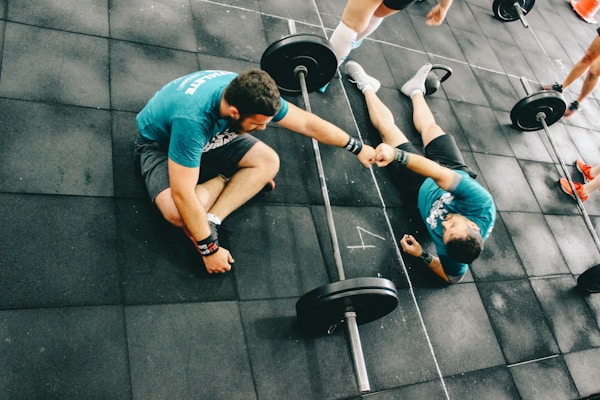
🖼️ Running Inspiration Gallery
Let these images fuel your motivation. Every single one of these runners started exactly where you are today — at zero.




🔍 Related Topics & Keywords
Explore these related running topics to deepen your knowledge:
13. Frequently Asked Questions About Starting Running
For beginner runners, 3 times per week is the optimal starting frequency. This provides enough stimulus to build fitness while allowing 48+ hours of recovery between sessions. Running 4–5 times per week is appropriate only after 2–3 months of consistent 3-day training without injury or excessive fatigue. More is not always better — recovery is where fitness is actually built.
Absolutely — and for beginners, it's the recommended strategy. The run-walk method is scientifically validated as equally effective for building fitness while significantly reducing injury risk. Walking during a run is not a sign of failure; it's an intelligent training strategy used by runners of all levels, including marathoners.
The #1 reason beginners tire quickly is running too fast. Slow down until you can maintain a full conversation — this is your aerobic zone. Also ensure you're properly hydrated before starting, have eaten appropriately 1–2 hours prior, and have warmed up with 5 minutes of brisk walking. Finally, check your breathing — breathe rhythmically in a 2:2 pattern (2 steps in, 2 steps out).
Yes — and running can be transformative for people who are overweight. However, it's wise to consult a doctor first if your BMI is over 35. Start with the walk-run method to reduce impact stress, invest in well-cushioned running shoes, and consider mixing in lower-impact activities (swimming, cycling) on off-days to reduce joint stress while still building cardiovascular fitness.
For morning runs under 45 minutes, many runners do fine on an empty stomach (fasted running). If you prefer to eat, choose something small and easily digestible 30–45 minutes before: half a banana, a small date-and-nut ball, a rice cake with honey, or a small glass of fruit juice. Avoid high-fiber, high-fat, or high-protein foods immediately before running as they take longer to digest and can cause GI distress.
Most beginner runners report that running starts to feel noticeably easier after 3–4 weeks of consistent training — 3 sessions per week. The cardiovascular system adapts relatively quickly; it's the musculoskeletal system (tendons, bones, connective tissue) that takes longer (8–12 weeks). This is exactly why patience and gradual progression are so critical in the first 3 months.
Before running: Dynamic stretching only (leg swings, high knees, hip circles). Static stretching before a run can actually increase injury risk on cold muscles. After running: This is when static stretching is ideal — hold each stretch for 20–30 seconds when muscles are warm. Focus on calves, hamstrings, hip flexors, glutes, and IT band.
Technically, "jogging" refers to running at a pace slower than 6 mph (10 km/h), while "running" is anything faster. But the distinction is largely irrelevant from a health and fitness standpoint — both provide cardiovascular benefits, both build running fitness, and both count. The word "jogging" is just a cultural artifact. Call yourself a runner from Day 1 — because that's what you are.
🏃 Ready to Take Your First Step?
You now have everything you need to start running from scratch. The only thing left is to lace up your shoes, step outside, and begin. Week 1 is waiting for you. Your future running self will thank you.
📖 More Fitness Guides on DigitalKsHub →🎯 Quick Summary: Your Running from Scratch Checklist
- Get medical clearance if you have health conditions or are over 50 and sedentary.
- Invest in proper running shoes — visit a specialty store for a gait analysis.
- Follow the 8-week beginner run-walk plan — never skip steps.
- Use the Talk Test: if you can't speak comfortably, slow down immediately.
- Warm up with 5 minutes of brisk walking before every run.
- Cool down and stretch after every single session.
- Hydrate properly before, during (if needed), and after every run.
- Follow the 10% rule — never increase weekly mileage by more than 10% at a time.
- Track your progress with a running app or journal.
- Sign up for a local 5K to give yourself a tangible goal.
- Rest and recovery days are training days — honor them fully.
- Stay patient. Running gets easier. You will love it.


0 Comments